I. Comedy in the Underworld
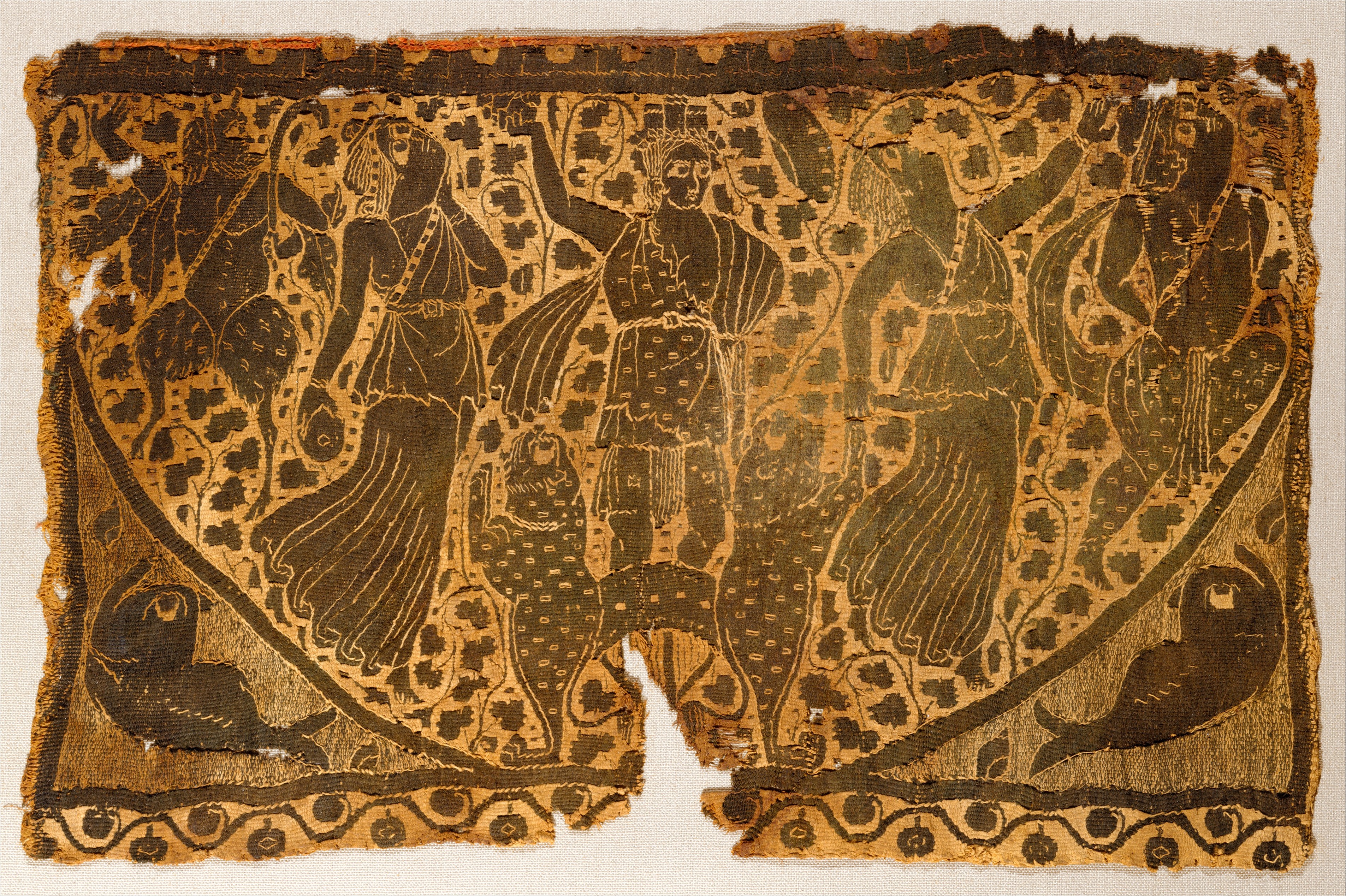
In 405 BCE, the year before Athens fell to Sparta, Aristophanes staged Frogs at the winter dramatic festival. The play won first prize. Its premise is a katabasis (CON-0002): Dionysus, patron of the theater, disguises himself as Heracles and descends to Hades to bring back a dead tragedian. Athens has lost its great poets. Sophocles has just died. Euripides died the year before. Aeschylus has been dead for half a century. The city is losing the war and has no one left who can write plays worthy of its crisis. So the god puts on a lion skin and goes down himself to fetch one back.
The play is a comedy. It is also the only surviving ancient text that stages a full katabasis for laughs, and the laughter is not incidental to the initiatory structure. It is the point. Aristophanes understood, as the Eleusinian liturgy understood, that the encounter with death is not confined to solemnity. The gephyrismoi, the ritual insults hurled at initiates as they crossed the bridge on the Sacred Way to Eleusis, were part of the rite. Mockery belongs to the threshold.
II. Dionysus as Unlikely Initiate
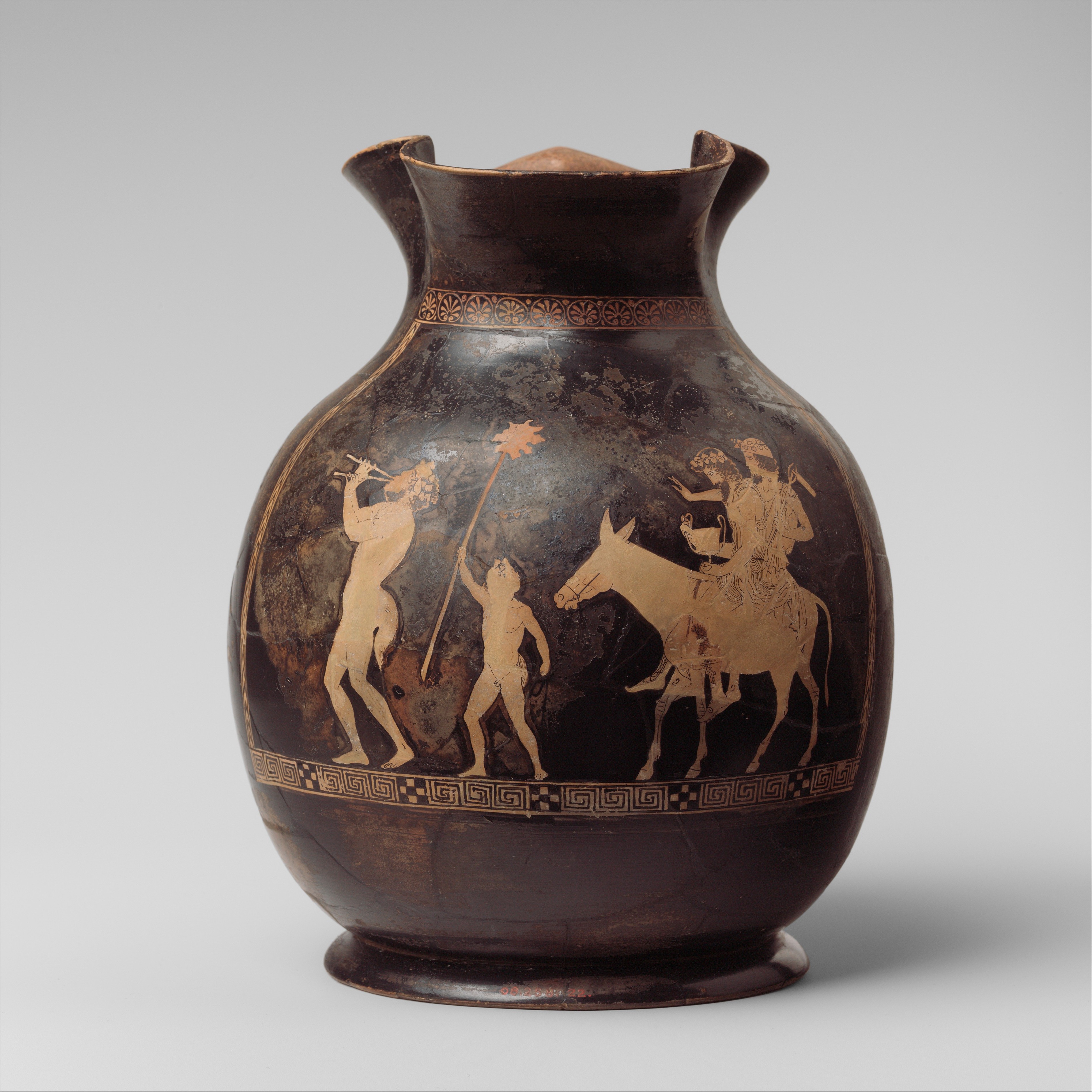
Aristophanes's Dionysus is not dignified. He is a coward. He rows badly across the lake of the dead, complaining about his blisters while a chorus of frogs croaks at him (the famous frog-chorus refrain that gives the play its name). He swaps roles with his slave whenever danger appears and soils himself when a shape-shifting monster confronts them at the underworld's entrance.
This is not disrespect toward the god. It is Aristophanes's deepest insight about what the initiatory journey does to identity. Dionysus enters the underworld wearing Heracles's costume, wearing borrowed strength and borrowed authority. The underworld systematically strips it from him. He is beaten, mocked, exposed as a fraud. The god of the theater arrives in costume, and the underworld forces him to drop the act.
The comic stripping of Dionysus mirrors, in inverted form, the serious stripping that the initiate undergoes. At Eleusis, the candidate abandoned ordinary identity to enter the sacred precinct. In Frogs, the god abandons his pretensions to heroism and arrives at the core of the underworld as himself: a frightened, bumbling, theater-loving deity who needs the dead more than the dead need him.
III. The Contest of the Dead Poets
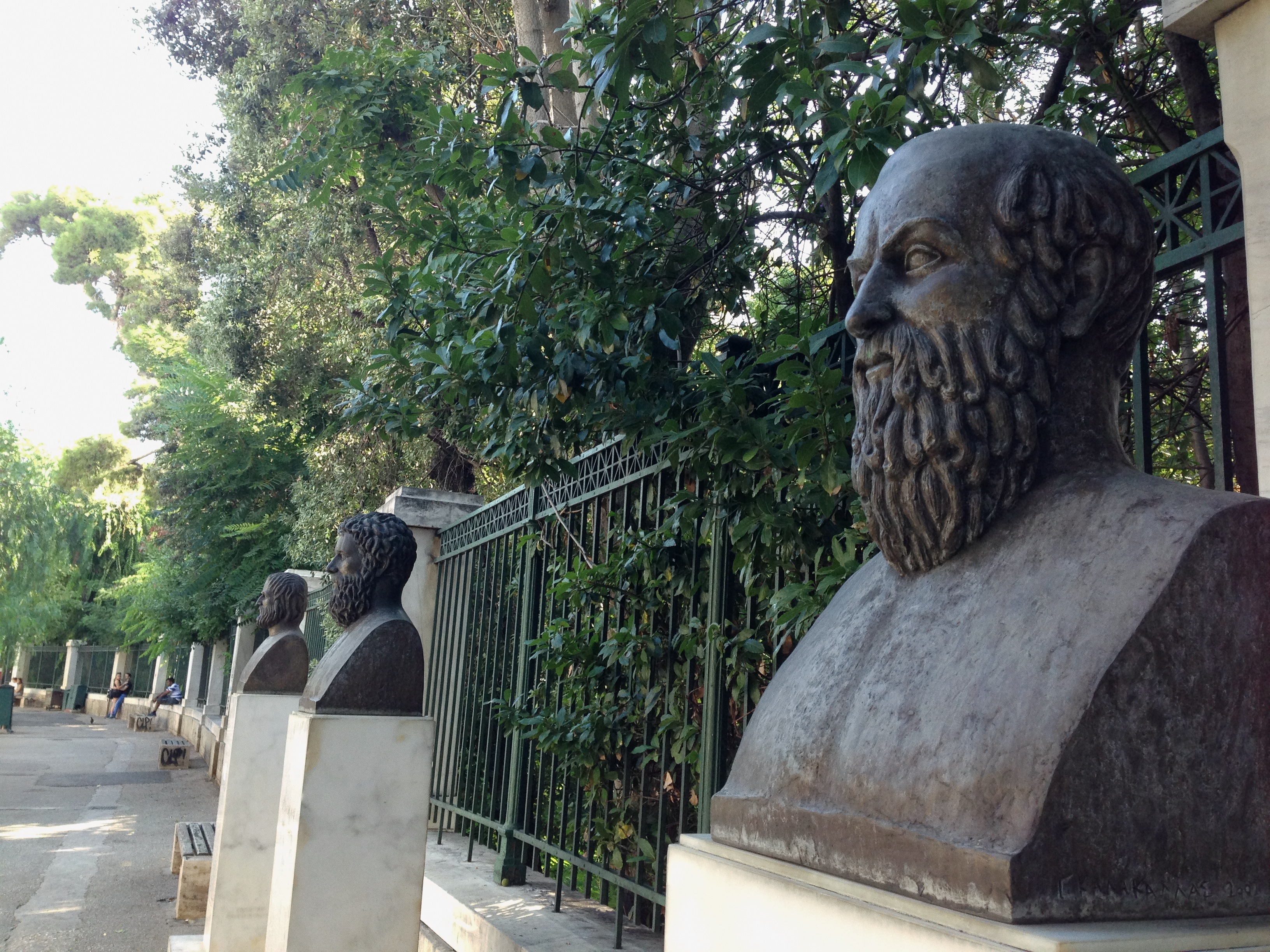
The heart of Frogs is the agon, the formal contest between Aeschylus and Euripides in Hades for the throne of tragedy. Dionysus serves as judge. The two poets weigh each other's lines on a literal scale, critique each other's prologues, and argue about what tragedy is for.
Aeschylus claims tragedy makes citizens brave. His Persians taught Athens what victory costs. His Seven Against Thebes taught men to be warriors. Euripides claims tragedy makes citizens intelligent. His plays exposed the gods as frauds and showed women and slaves thinking for themselves. He taught Athens to question everything, including its own traditions.
The contest is comic, but the question it poses is the question the project asks about all the literary evidence. What does the art of a mystery-saturated culture do to the consciousness that receives it? Aeschylus represents tragedy still embedded in ritual function. His plays were performed at the same Dionysian festivals where the god was worshipped, and their effect, he claims, was transformative in the way ritual is transformative: it made better men. Euripides represents tragedy that has separated itself from ritual into critical intelligence. His plays analyze rather than transform.
Dionysus chooses Aeschylus. The older poet returns to the living world. The city that is about to lose everything needs the art that transforms, not the art that analyzes.
IV. The Chorus of Initiates
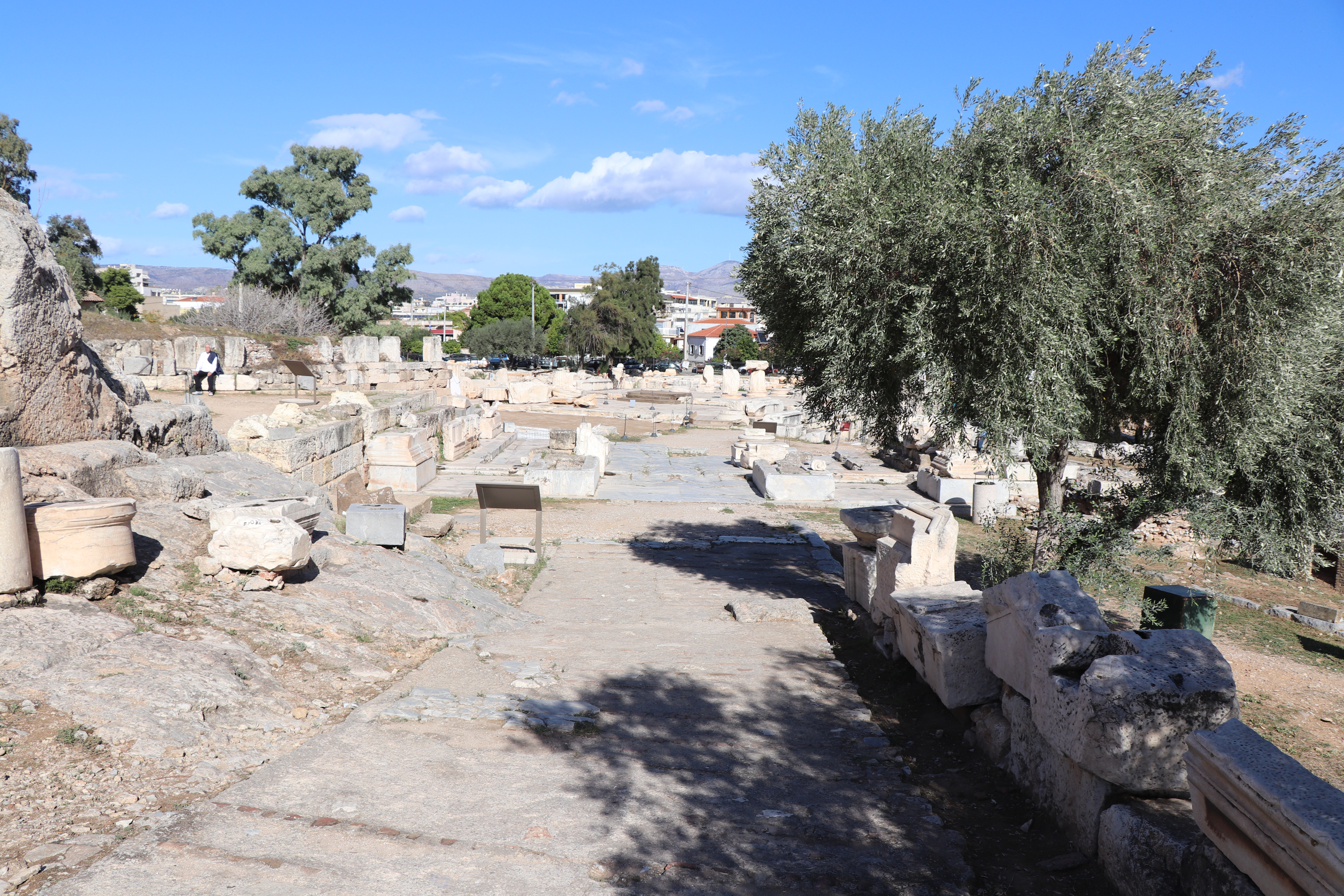
Midway through the play, Dionysus and his slave encounter a chorus of blessed initiates in the underworld, singing hymns. These are the mystai, the initiated dead, and their songs reference the Eleusinian Mysteries directly. They invoke Iacchus (the processional deity of the Mysteries), sing of torchlight and meadows, and describe the joy of the blessed afterlife that initiation promised.
This is the most explicit reference to the Mysteries in surviving Attic comedy. The chorus of initiates marks the transition from the play's farcical surface to its sacred substrate. The audience at the winter festival, many of whom were themselves initiates, would have recognized the hymns and the imagery. Aristophanes counts on that recognition. The comedy works because the audience already knows what the Mysteries feel like, and the juxtaposition of Dionysus's buffoonery with the initiates' genuine ecstasy produces something that neither solemnity nor farce could produce alone.
The project reads this as evidence that the Mysteries and the theater were not separate institutions that happened to share a patron god. They were twin expressions of a single Dionysian principle (CON-0043): encounter with death transforms the participant, whether the encounter takes ritual or dramatic form. Tragedy achieves catharsis through pity and terror. The Mysteries achieved transformation through ordeal and vision. Comedy achieves something neither can: the recognition that the sacred and the ridiculous share the same threshold.
V. What the Frogs Know
Frogs is the last great comedy of Athens's golden age. Within a year the city would fall. The play's desperation is real: Athens needs saving, and Aristophanes is sending a god to the underworld to fetch a poet because nothing else has worked. The premise is absurd. The need is genuine.
What Frogs unlocks for the project is the comic dimension of the katabasis. The initiatory descent is not exclusively solemn. The gephyrismoi at Eleusis, the ribald humor of the Dionysian processions, the frog-chorus's relentless croaking while a god flails at his oars: these belong to the tradition as fully as the torchlit revelation in the Telesterion. Laughter at the threshold is not irreverence. It is the sound of identity dissolving before the sacred arrives.
Dionysus goes down to Hades as a god in disguise and returns with a dead poet. The katabasis works. The comedy holds. Athens falls anyway. But the play survives, carrying in its ridiculous, sacred, desperate form the evidence that the Greeks knew something the modern world has largely forgotten: that the encounter with death can be funny, and that the laughter does not diminish the encounter. It deepens it.