I. The Poet Who Died Asking for Fire
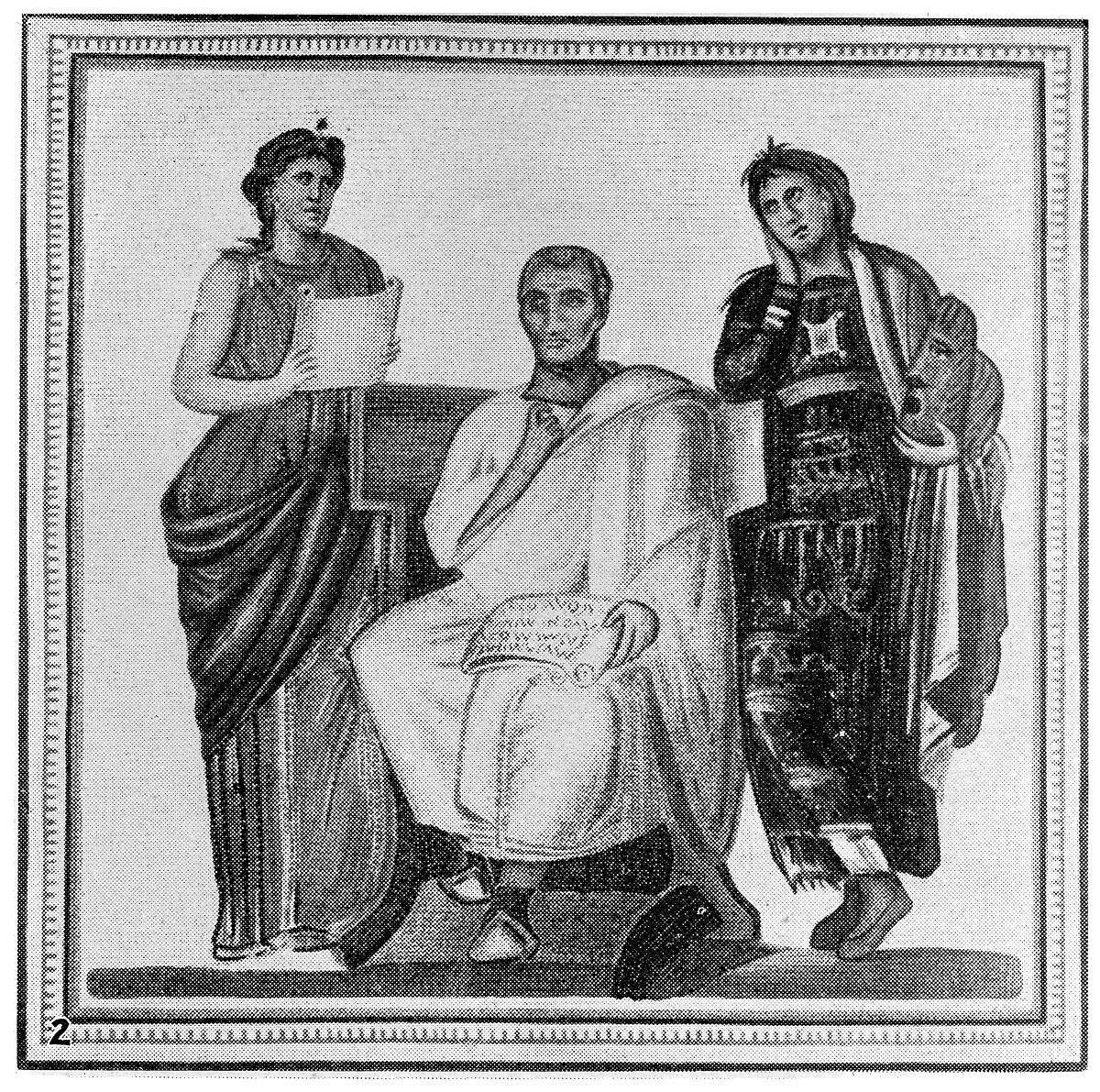
Virgil died at Brundisium in 19 BCE, requesting that the Aeneid be burned. Augustus refused. The poem was published posthumously, unfinished, and became the foundation text of Roman literary culture. The biographical fact is structurally appropriate: a poem about empire founded under divine mandate, preserved by imperial decision against the wishes of the man who wrote it. Virgil spent the last eleven years of his life on the Aeneid. He considered it incomplete. Rome considered it definitive. Both were right.
The poem narrates the journey of Aeneas, survivor of Troy, from the burning city to the shores of Latium, where he will found the settlement that becomes Rome. It is an epic of foundation, obligation, and loss. Aeneas does not choose his journey. The gods choose it for him. His defining quality is pietas, a Latin word that means something closer to "duty held sacred" than to "piety" in the modern sense. He carries his father on his back out of Troy. He carries the weight of an empire he will never see.
The project reads the Aeneid primarily through Book VI, the descent to the underworld, which is the most sustained literary katabasis (CON-0002) in Latin literature and the direct predecessor to Dante's Commedia. But the katabasis cannot be separated from the poem that contains it. Aeneas descends because the epic requires it. What he finds below determines what he builds above.
II. The Bough That Cannot Be Faked
The Sibyl at Cumae sets a condition. Somewhere in a dark forest grows the golden bough, and it yields willingly only to the one fated to pluck it. Two doves, Venus's birds, lead Aeneas to the tree. He plucks the bough. It comes away.
The golden bough is the initiatory credential. It cannot be stolen, counterfeited, or earned through effort alone. It comes to the one who is ready, and readiness is determined by forces larger than the individual will. This is the same logic that governs Apuleius's roses (ESS-0006): the sacred instrument of transformation arrives when the divine decides, not when the seeker demands. Aeneas does not manufacture his passage to the underworld. He receives it.
Frazer named his twelve-volume comparative study The Golden Bough (LIB-0294) after this passage, reading the bough as evidence of a tree-cult and a system of sacred kingship. The project reads it differently. The bough is a symbol of the relationship between the initiate and the divine that makes descent possible. Without it, the underworld is merely death. With it, death becomes passage.
III. The Geography of the Dead
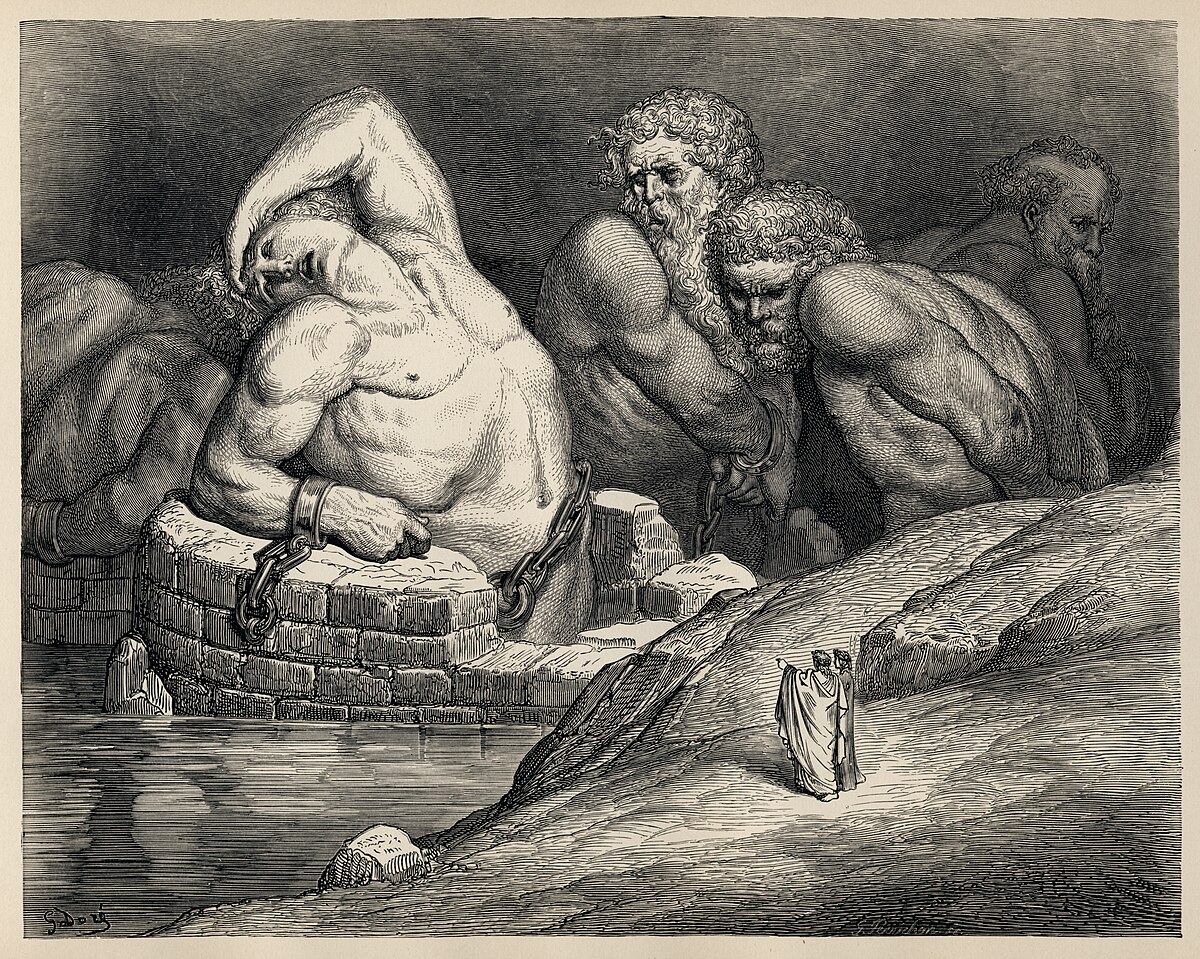
Aeneas enters through the cave at Avernus, near Naples, a real place with real volcanic fumes that the ancient world associated with the entrance to the underworld. The Sibyl guides him (CON-0037). The descent passes through the vestibule of grief, where the unburied and the suicides linger, then across the Styx on Charon's boat with the golden bough as their pass. Beyond the river lies Tartarus, the zone of punishment, which Aeneas glimpses from outside but does not enter. Past Tartarus: Elysium, where the blessed dead dwell in fields of light.
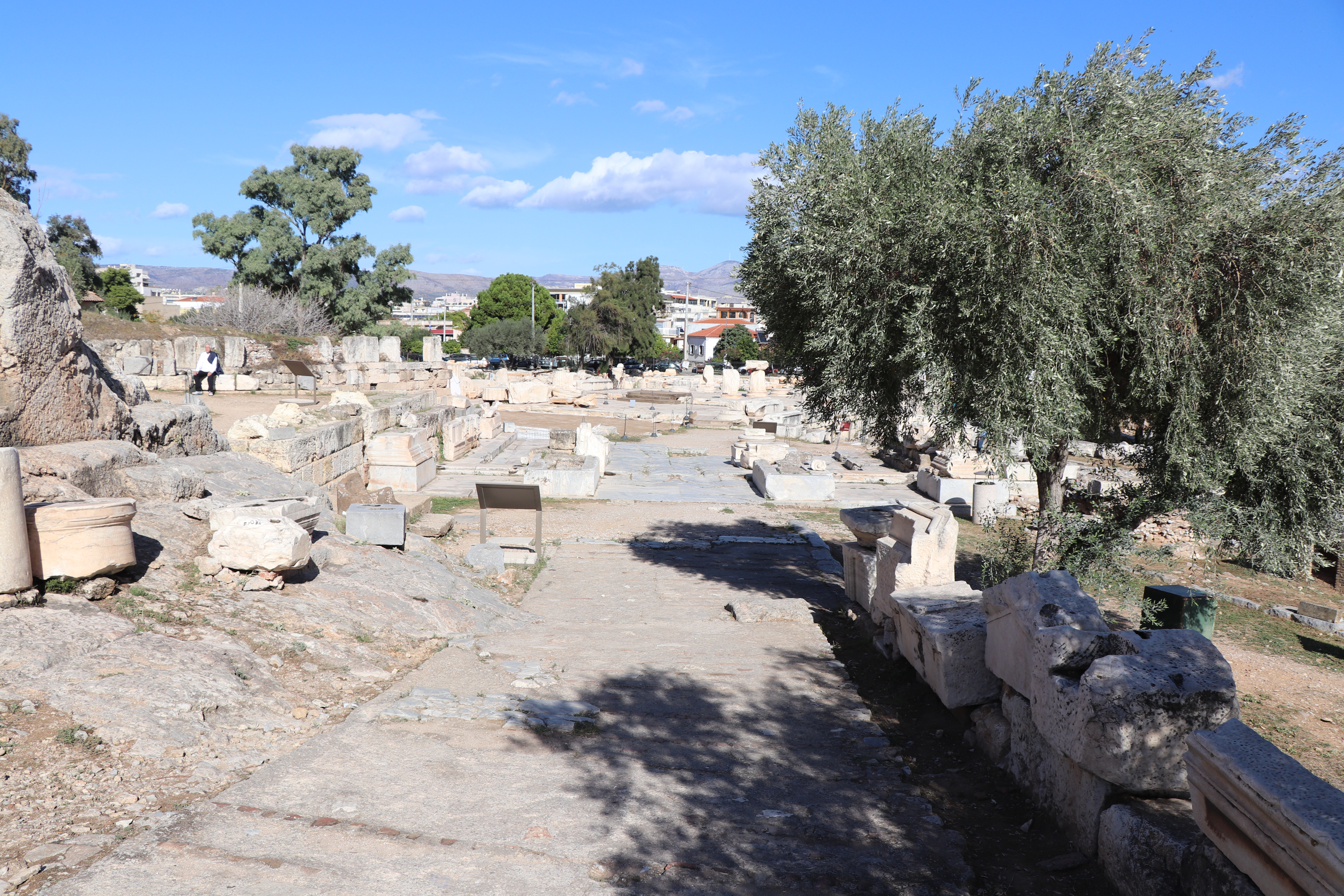
The geography is not random. It is a graduated descent through increasing proximity to death's reality, followed by an ascent into increasing proximity to what survives death. The structure mirrors the Eleusinian pattern: darkness, terror, wandering, and then sudden light. Virgil knew the Mysteries. The Fourth Eclogue, with its prophecy of a child who will restore the Golden Age, drew on the Sibylline tradition that ran parallel to the mystery cults. Whether Virgil was himself initiated is beyond recovery. That his underworld geography reproduces the initiatory architecture is not.
The passage through Tartarus is diagnostic in the same way Dante's Inferno will be seven centuries later. Each punishment names its vice. But Virgil's real interest lies beyond punishment, in Elysium and in what Anchises will show his son at the river Lethe.
IV. The Father at the River
Aeneas finds Anchises in Elysium. The reunion is the emotional center of the poem. Aeneas reaches out to embrace his father. His arms pass through empty air. The dead cannot be held. But they can speak, and what Anchises speaks is the poem's theological payload.
He leads Aeneas to the river Lethe, where a vast crowd of souls waits to drink the waters of forgetfulness before rebirth. The cosmic machinery Anchises describes is Pythagorean. Long ages of purification follow death; then Lethe erases everything the soul was, and the cycle of incarnation begins again. The cosmology is Pythagorean and Platonic, but it inverts the logic of anamnesis (CON-0013). Plato's philosophy recovers what the soul knew before incarnation; Lethe destroys that knowledge so the soul can begin again. Memory and forgetting are both necessary, and the tension between them is built into the poem's architecture. The initiate remembers what the reincarnating soul must forget.
Then Anchises shows Aeneas the souls who will become Rome's future: Romulus, the great generals, Caesar, Augustus himself. Near the end of the procession walks the young Marcellus, Augustus's nephew, who had recently died. Anchises weeps. The vision of Rome's glory includes the vision of Rome's grief. The founding will cost everything, and the cost is not hidden.
This is what makes the Aeneid's katabasis unique in the tradition. Odysseus descended for tactical intelligence: how to get home. Orpheus descended for personal love: to retrieve Eurydice. Aeneas descends for neither. He descends to receive the burden of history. The empire his suffering will make possible is laid out before him, and he must carry that knowledge back to the surface where the work of foundation waits.
V. The Psychopomp and His Limit
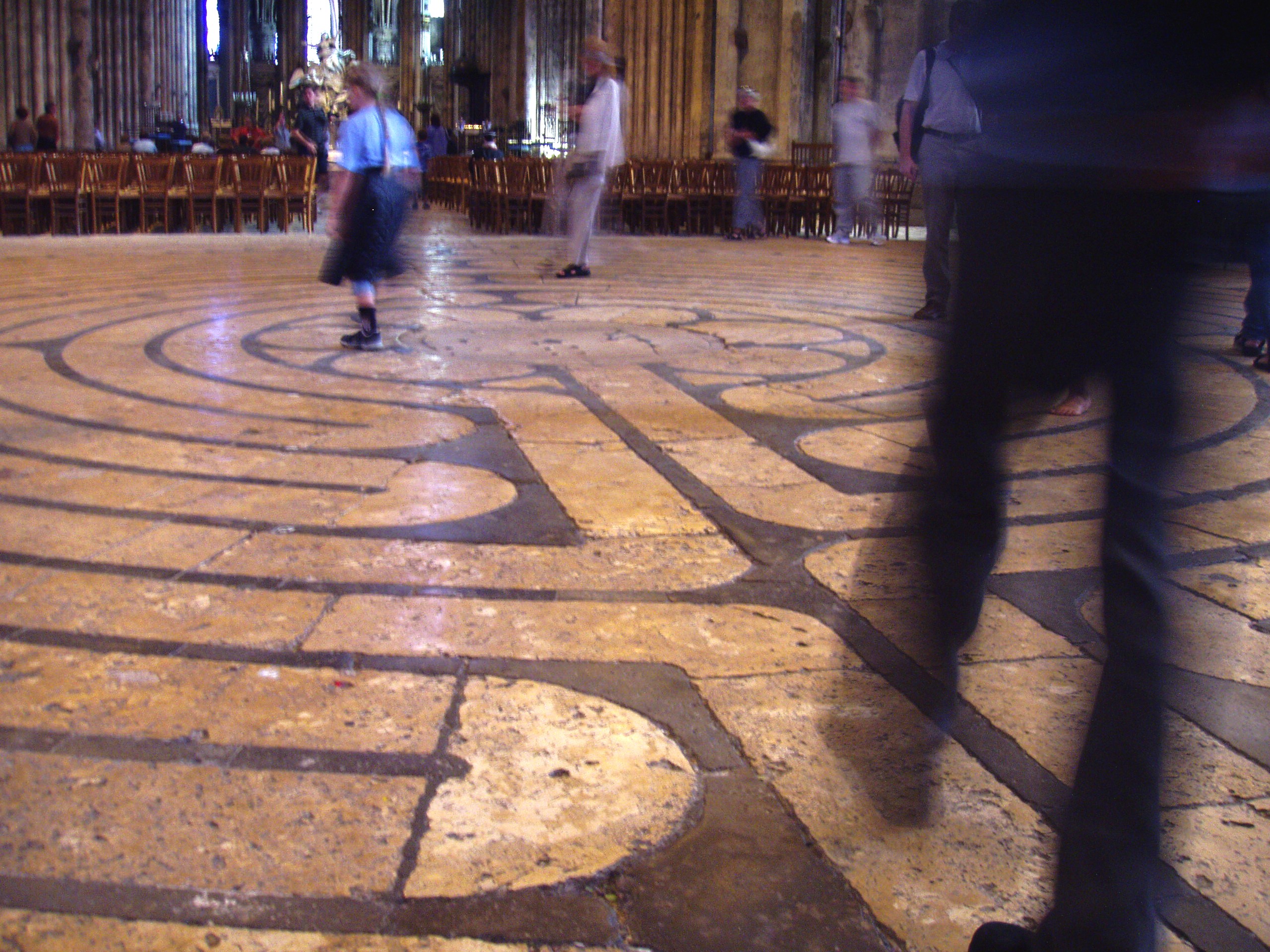
The Sibyl who guides Aeneas is a psychopomp (CON-0037), one who escorts the living through the territory of the dead. She has made the journey before. She knows the landmarks, the dangers, the protocols. Without her, Aeneas would be lost in the underworld's geography as surely as a candidate wandering blindfolded through the Telesterion would be lost without the mystagogue.
But the Sibyl, like Virgil in Dante, has limits. She guides Aeneas to Anchises and through the underworld's physical territory. She does not interpret what Anchises shows him. The vision of Rome's future, the procession of souls at Lethe, the grief of young Marcellus: these Aeneas must receive and carry alone. The psychopomp delivers the initiate to the threshold of the vision. The vision itself belongs to the one who undergoes it.
Dante understood this. When he chose Virgil as his guide through Hell and Purgatory, he was recognizing that no Latin author knew the descent better. And when he had Virgil vanish at the threshold of Paradise, he was honoring the same structural principle that the Aeneid itself enacts: the guide who leads through darkness is not the presence that illuminates the final vision. Virgil leads Aeneas to Anchises and falls silent. Virgil leads Dante to Beatrice and disappears. The pattern holds across twelve centuries because it describes something true about how the initiatory journey works.
VI. The Two Gates
Aeneas and the Sibyl leave the underworld through the Gate of Ivory, one of two gates Virgil places at the exit. The Gate of Horn sends forth true shades. The Gate of Ivory sends forth false dreams. Scholars have argued for two millennia about why Virgil sends his hero out through the gate of false dreams. Is the entire katabasis a fiction? Is Aeneas not yet fully real, a shade himself until he completes his mission? Is Virgil undermining the very vision he has just presented?
The project holds the ambiguity rather than resolving it. The Gate of Ivory is a warning built into the poem's own architecture: the vision received in descent may be true, and the form in which it returns to the waking world may be false. This is not contradiction. It is the condition of all initiatory knowledge. What the epoptes saw in the Telesterion was real. What the epoptes could say about it afterward was constrained by the oath of silence and by an experience that resists translation into speech. The gate of ivory is the threshold between the two.
Virgil, who asked that his poem be burned, knew something about the gap between the vision and its record. The Aeneid survives because Augustus believed the record was worth preserving. Whether the vision it records is true, the poem leaves to the reader to determine, standing at the gate, choosing which threshold to cross.