I. The Refusal
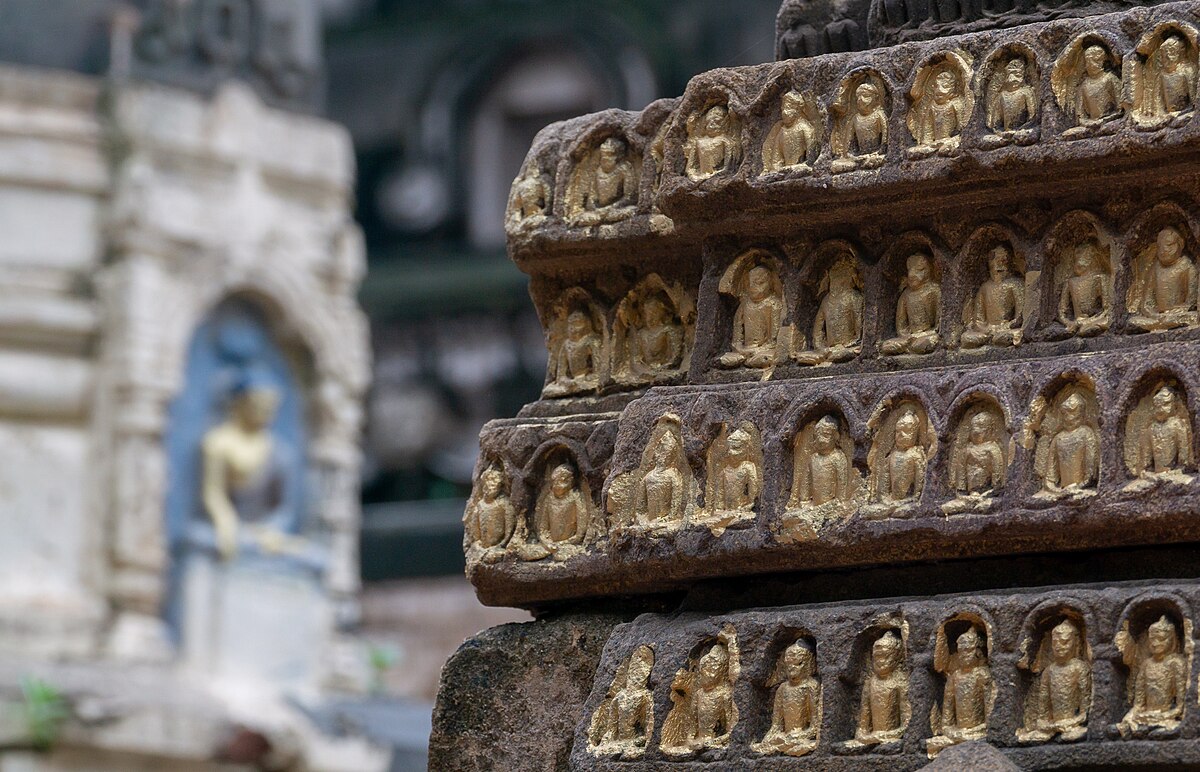
Siddhartha meets the Buddha in a grove. Gotama is everything the seeker has been looking for: a man who has crossed to the other shore and extinguished his suffering, whose doctrine is coherent and complete. Govinda, Siddhartha's childhood friend, falls at the Buddha's feet and asks to be admitted. Siddhartha does not. He listens to the teaching, admires the teacher, then walks away.
This is the novel's founding act, and it is not rebellion. Siddhartha does not reject the Buddha's attainment. He rejects the transmissibility of it. The Buddha achieved liberation through his own experience, through years of asceticism, doubt, sitting under the tree, the long night's confrontation with Mara. Then he formulated what he found into doctrine, into a complete architecture of liberation. The doctrine is flawless. And Siddhartha's objection is precise: the doctrine describes the destination but cannot produce the journey. No one was ever ferried to the other shore by a description of the other shore.
This is not anti-intellectualism. Siddhartha is a Brahmin's son, trained in the Vedas, accomplished in meditation, sharper than most of the monks who surround the Buddha. His refusal is epistemological. He distinguishes between knowledge that can be communicated in propositions and knowledge that can only be acquired through transformation, between what the Greek tradition calls episteme and what it calls gnosis (CON-0009). The Buddha possesses gnosis. His teaching communicates doctrine: a complete path for understanding suffering and release. The gap between them is the space through which Siddhartha falls into the world.
Hesse wrote this in 1922, between his Jungian analysis with J.B. Lang and the composition of Steppenwolf. The psychological framework is visible: Siddhartha's refusal to follow the Buddha is also a refusal to identify with the collective, to dissolve his individual path into a community of practitioners, however enlightened the community's founder. Jung (FIG-0021) would recognize this as the critical juncture of individuation (CON-0069): the moment when the developing self must separate from the very authority it most admires to become what only it can become. Govinda, who follows the Buddha, achieves peace. Siddhartha, who refuses, achieves something else, something the novel spends its remaining pages defining.
II. The Descent
What follows the refusal is not ascent. Siddhartha does not retire to a mountain to meditate his way to independent enlightenment. He goes down. After crossing the river for the first time, he enters the city, where Kamala, the courtesan, teaches him the arts of love. Kamaswami, the merchant, teaches him trade. He learns to eat well, dress well, gamble, accumulate. He becomes what the ascetic tradition he was trained in would call lost.
This is katabasis (CON-0002), descent into the underworld, except the underworld is not a place beneath the earth. It is the world itself, experienced without the protective distance of renunciation. The samanas, the wandering ascetics Siddhartha trained with before meeting the Buddha, taught him to leave the body: to fast until the body thinned, to hold the breath until the self blurred. Siddhartha's descent reverses this. He enters the body completely and tastes everything. The novel is not a morality tale; the tasting itself is a form of knowledge. The ascetic knows what it is to withdraw from desire. Only the one who has desired fully, who has gorged on the world until the gorging produces its own nausea, knows what desire is.
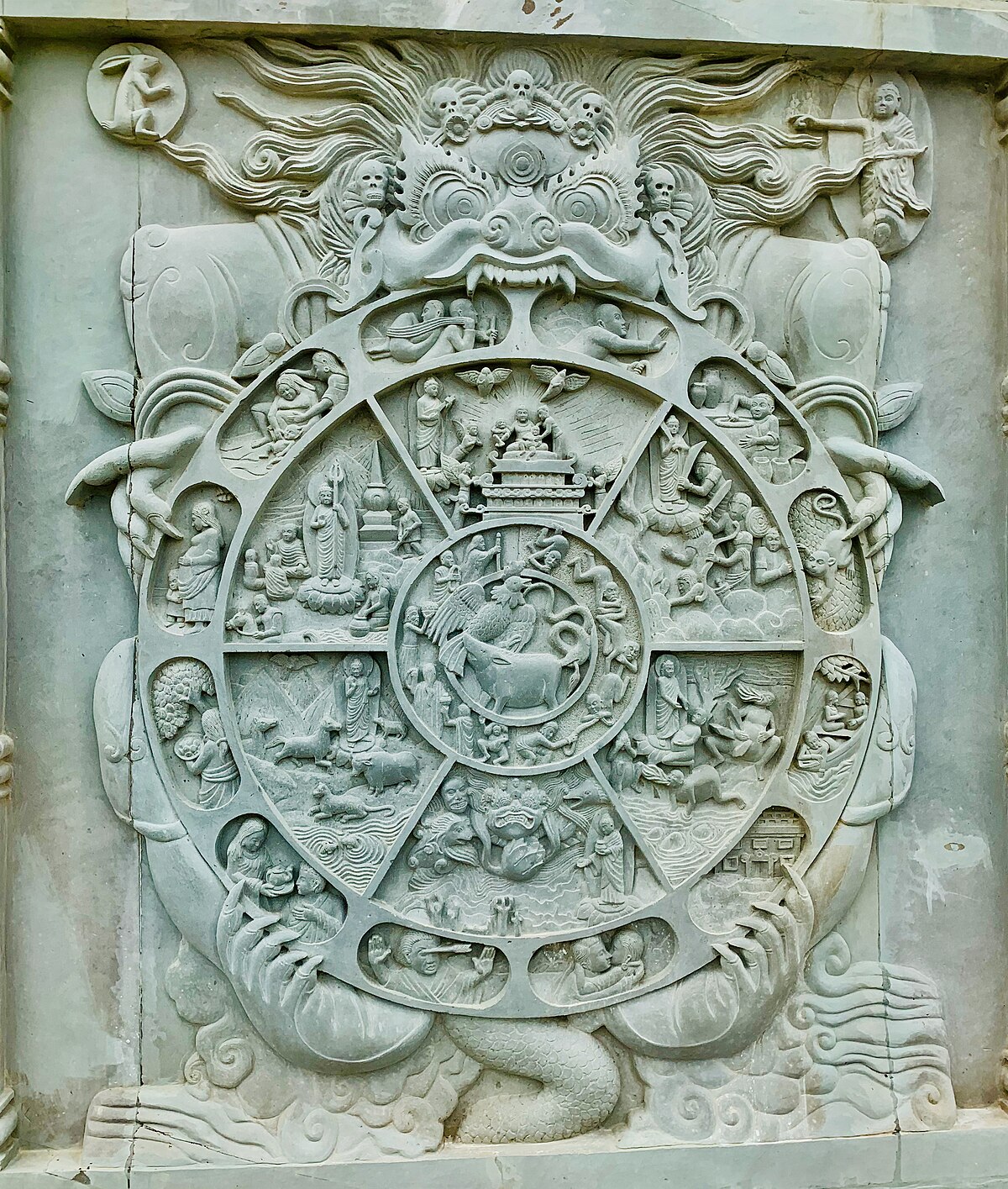
The descent takes twenty years. It does not fail suddenly. It curdles. Siddhartha becomes what he once despised: a man whose days repeat, whose passions have hardened into habits. His acuity has dulled into routine. He gambles not for excitement but from compulsion. He eats not from hunger but from emptiness. The spiritual seeker has become the "child-people" he once observed with detached compassion. The detachment is gone. He is one of them.
This is the initiatory structure the project traces across every tradition (CON-0001): the profane self must be dissolved before the sacred self can emerge, and the dissolution is not optional. It cannot be skipped by reading about it or meditating on it. No doctrine substitutes for the passage itself. The Buddha's path offers a controlled dissolution through monastic discipline. Siddhartha's path, the path the novel insists on, requires the uncontrolled version: full immersion in the world's seductions, followed by the revulsion that only full immersion can produce. Both paths cross the same territory. Siddhartha's costs more.
III. The River

Siddhartha, ruined, arrives at the river at night. He looks into the water and considers drowning himself. Then he hears it: the sacred syllable Om rising from the river's voice, the sound that contains all sounds. He falls asleep on the riverbank. When he wakes, a monk is watching over him. The monk is Govinda, who does not recognize his old friend. The descent is complete.
He stays at the river. Vasudeva the ferryman, old, quiet, perpetually listening, takes him in. Vasudeva does not teach. He ferries people across. He listens to the river. When Siddhartha asks him questions, Vasudeva tells him to listen to the river. That is the entire pedagogy.
What Siddhartha learns by listening is not a doctrine. It is not the Four Noble Truths in aquatic form. The river says everything at once: mountain spring, ocean delta, rain, and vapor are present together. It does not flow from past to future. Every drop carries arrival and presence at once. Time, the river teaches, is the illusion that makes suffering possible. Not the abstract philosophical claim that time is illusory (Siddhartha knew that as a boy reading the Vedas) but the lived, heard, felt reality of simultaneity. The river is the gnosis (CON-0009) that the doctrine could only describe.
Vasudeva is the novel's portrait of the genuine guide. He does not transmit knowledge. He provides conditions (a riverbank, a ferry, a patient presence) and waits for the river to do what it does. He is a ferryman literally: he takes people across. But the crossing he facilitates is not geographic. When Siddhartha has heard what the river is saying, when the listening has accomplished what twenty years of seeking and twenty years of worldly immersion prepared him to hear, Vasudeva smiles, walks into the forest, and disappears. The guide departs when the guided no longer needs conditions. This is participation (CON-0004): not the extraction of content from a source but the entry into a relationship with reality that transforms the one who enters it.
IV. All the Faces
The novel's final scene is its most precise image. Govinda, still a wandering monk after decades of following the Buddha's path, hears that a wise ferryman lives by the river. He visits. He does not recognize Siddhartha at first. They talk. Govinda asks Siddhartha for his teaching. Siddhartha says: wisdom cannot be communicated. He says it kindly and without superiority, aware that his saying this is itself a kind of failure, the same failure the Buddha committed, the inevitable failure of anyone who has arrived somewhere and is asked to describe the route.
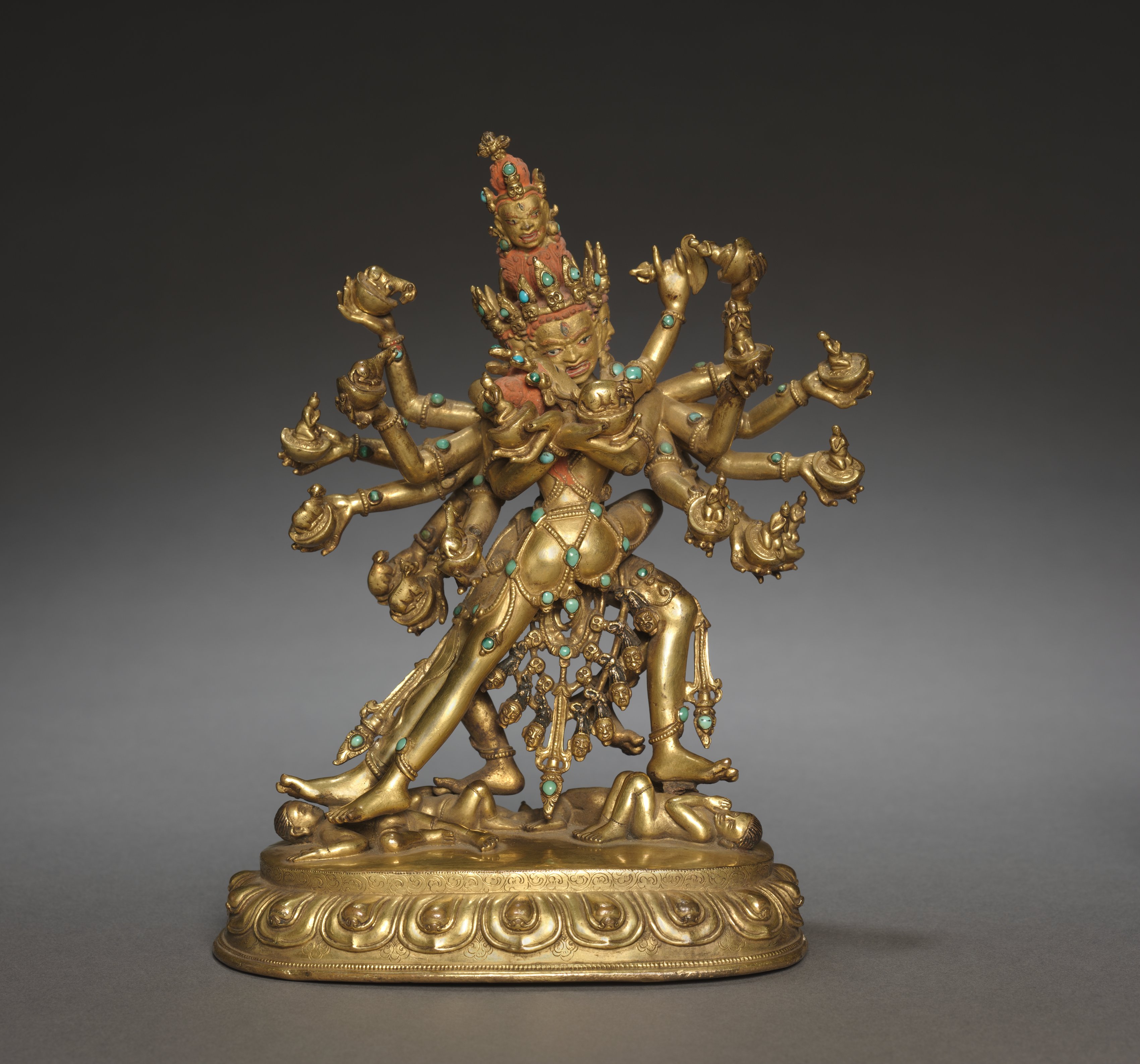
Then Govinda asks to see. Siddhartha tells him: kiss my forehead. Govinda does. And in the moment of contact, Govinda sees: not Siddhartha's face but a stream of faces. Animals, murderers, lovers, the dying, the newborn, gods, rivers, forests, all of them flowing through one another, all of them simultaneously present. He sees the face of every being that has ever lived, and all of them are Siddhartha's face, and the stream does not stop. Govinda weeps. The novel ends.
This is what the epistemological argument has been building toward. Siddhartha told the Buddha that teaching cannot produce the journey. Now he demonstrates the alternative. He does not describe what he has realized. He lets Govinda see it directly, through contact, through the kiss that bypasses doctrine entirely. The vision Govinda receives makes the river's simultaneity visible: all things appear together because opposites coincide and the boundary between self and world gives way. It lasts a moment. It cannot be stabilized into a teaching. But it is real, and Govinda, the loyal follower who spent his life receiving doctrine, receives in one instant what decades of received wisdom could not provide.
V. What the Novel Transmits
Hesse's Siddhartha sits at the junction of the two tracks it gates. For the Western Canon series (WC-SE-E10, "The Beats and the Eastern Turn"), it is the book that opened the door: the novel the Beats carried in their pockets, the most influential text in the twentieth-century Western encounter with Eastern spirituality. It told a generation of readers the answer might lie East. For the Eastern Traditions series (ET-SG-E01, "The Sickness, the Corpse, the Monk"), it provides the outsider's mirror, a Western novelist's attempt to dramatize the Buddhist path from within, getting some things precisely right and others revealingly wrong.
What Hesse gets right is the primacy of experience over doctrine. Every mystery tradition the project examines makes this claim. Eleusis did not teach the initiates a catechism. The Mysteries happened to them. The Upanishads do not argue for the identity of Atman and Brahman; they describe practices for realizing it directly. The alchemical opus is not a theory of transformation but a set of operations performed on actual matter by an actual practitioner whose consciousness changes in the performing. Hesse, working from within the Western literary tradition, arrives at the same insight through narrative means: his novel enacts the arc of descent, dissolution, and return rather than merely describing it.
What the novel simplifies is the role of community and lineage. Siddhartha's path is radically individual. He rejects every sangha, every teacher, every lineage. The novel celebrates this as authenticity. But the traditions the project studies knew something Hesse's Romantic individualism did not fully reckon with: that the container matters. The Eleusinian initiate did not wander alone to enlightenment. The ritual container, the sacred precinct, the community of witnesses were not optional. Siddhartha's river is a container of sorts, but it is a natural one, not a constructed one. The novel does not account for the human craft of building initiatory spaces. This is precisely where it becomes interesting for the project: not as a perfect model of the initiatory path, but as a brilliant partial one whose gaps reveal what the traditions themselves understood about the conditions transformation requires.
The book is itself a pharmakon, the same paradox the project traces through writing, printing, and artificial intelligence. It communicates, in words, the claim that the deepest things cannot be communicated in words. It transmits, through narrative, the conviction that wisdom cannot be transmitted. And yet it works. Readers who follow Siddhartha through refusal, descent, and arrival at the river undergo something. Not initiation (a novel is not an initiation rite) but a preparation for understanding what initiation might mean. Hesse cannot give us the river. He gives us the story of someone who heard it, and the story, for those prepared to listen, carries something of what it describes. That is what a source essay can do. That is what this novel does. It points at the water and trusts the reader to hear.