I. The First Word
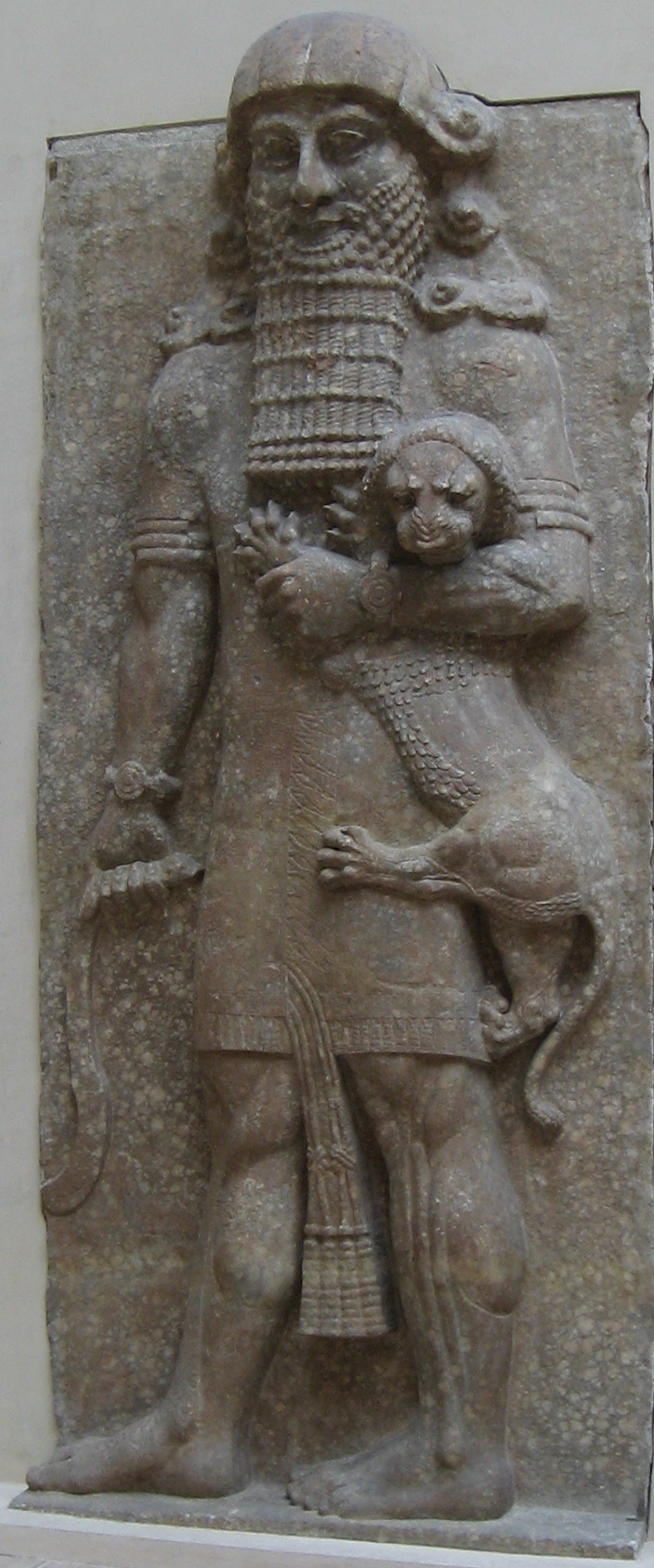
The Iliad begins with a word: menis. Divine anger. Not ordinary human frustration but the wrath that belongs to gods, attributed here to a mortal, Achilles, who will spend the poem discovering what it costs to carry it. The word signals that Achilles operates in a register beyond the human. He is the son of the goddess Thetis and the greatest warrior alive, and Agamemnon has just dishonored him by seizing his war-prize in a petty assertion of rank. Achilles withdraws from battle. The Greeks begin to lose. The poem unfolds from that withdrawal across sixteen thousand lines of hexameter verse.
Homer composed (or the tradition that bore his name composed) the Iliad in the eighth century BCE, in oral performance, using the formulaic building blocks that Milman Parry identified in the 1930s: stock epithets and repeated lines, conventional scenes assembled and reassembled by trained singers working within a living tradition over centuries. The Lattimore translation in the library (LIB-0182) preserves the poem's long lines and formal dignity. The Iliad is not a novel. It is not a history. It is a consciousness document: the most sustained record we have of how the archaic Greek mind understood honor, mortality, grief, and the distance between gods and men.
II. What the Iliad Is Not
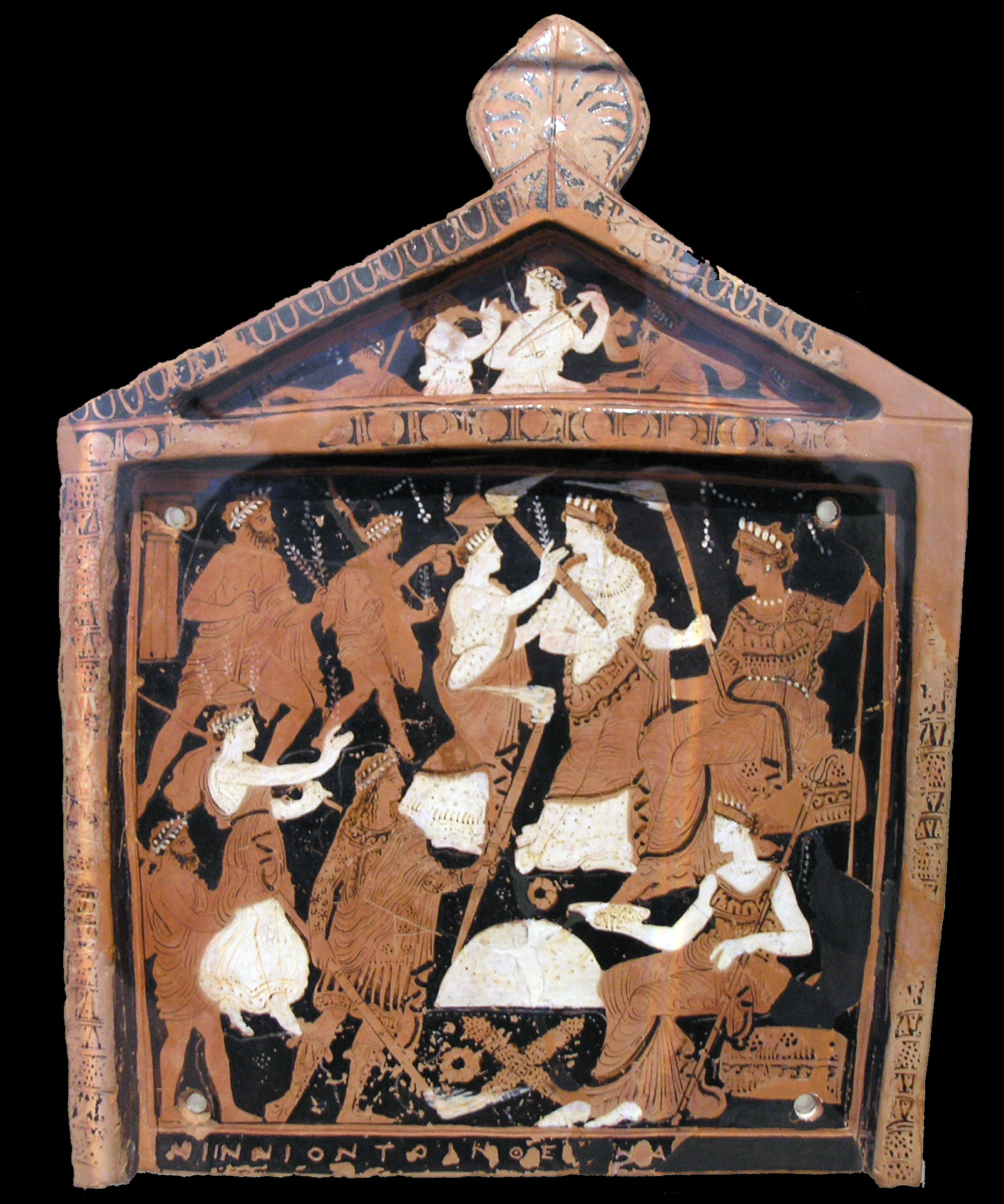
The Iliad is not an initiation narrative. It does not follow the sevenfold pattern (CON-0001) the project traces across the mystery traditions. There is no katabasis in the structural sense, no descent to the underworld, no ordeal leading to vision, no transformed return. Achilles does not undergo initiation. He undergoes something else.
The distinction requires precision. The Odyssey is the Homeric initiation poem. The Iliad is its necessary counterpart: the poem that establishes what consciousness looks like before the initiatory journey, in the condition of heroic pride that makes the journey necessary.
Achilles in his wrath is consciousness in its heroic mode: brilliant, lethal, absolute. He sees clearly. He speaks with devastating precision. (His speech to the embassy in Book IX is the most psychologically acute refusal in literature.) But his clarity is the clarity of a blade. It cuts in one direction. It cannot bend, accommodate, or include what lies outside the arc of its own grievance. The heroic consciousness knows what it wants and will destroy everything around it to get it. The Iliad is the poem that shows what that consciousness produces: glory and corpses, in equal measure.
III. The Participated World
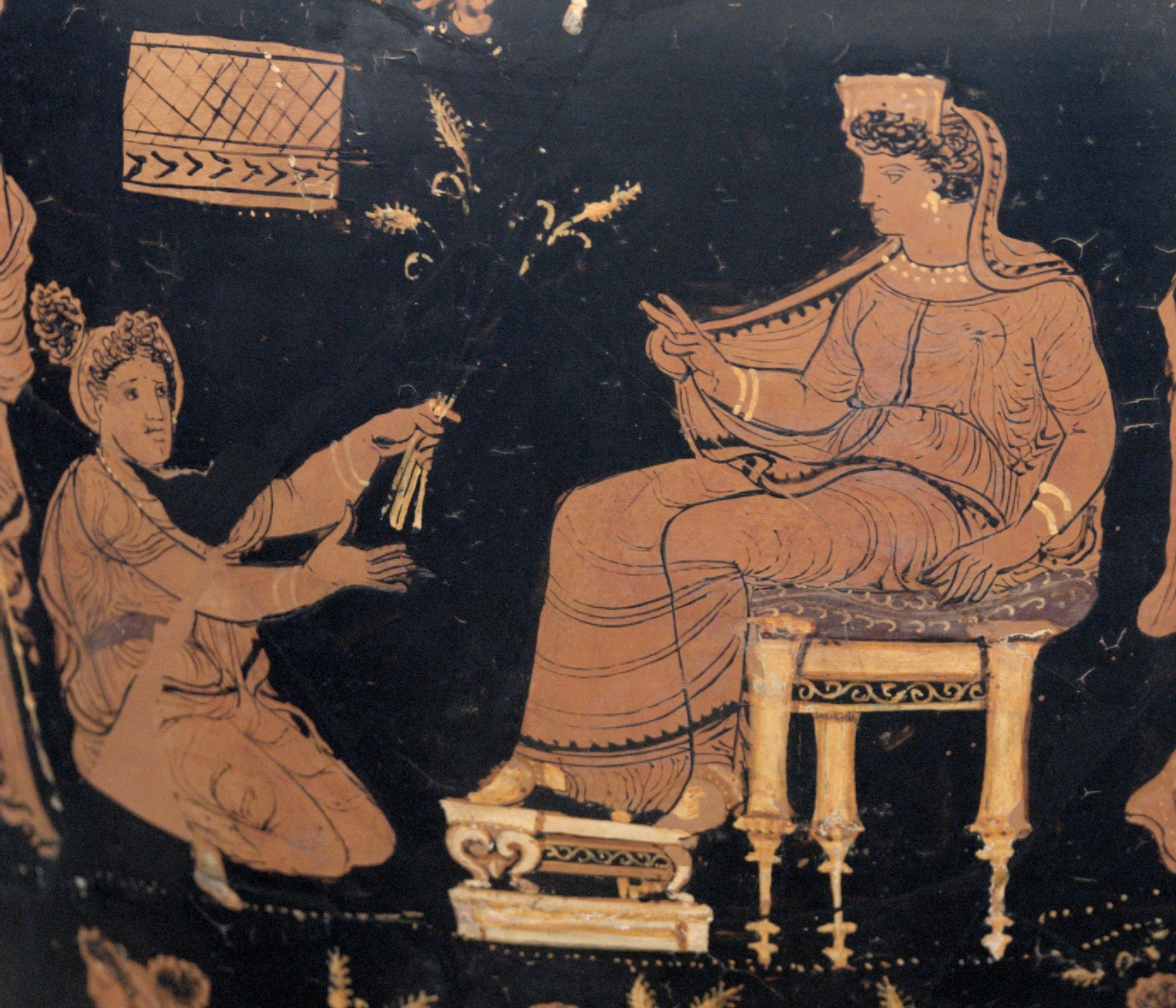
Homer's warriors do not decide to fight. A god breathes menos (battle fury) into them. Athena seizes Achilles by the hair to stop him from drawing his sword against Agamemnon. Aphrodite snatches Paris from the battlefield in a cloud. Apollo strikes Patroclus between the shoulder blades, and the armor falls from his body. The gods are not metaphors for psychological states. They are presences that act on and through human beings because the boundary between divine and human has not yet hardened.
This is original participation (CON-0039) as Barfield describes it: consciousness that has not yet separated itself from the world it perceives. Homer's warriors do not have inner lives in the modern sense. They have what Homer calls the seat of emotion and impulse, force that gods breathe into them, and a faculty of perception that later Greek thought will call nous. These are not interior faculties behind a wall of skin. They are points of contact between the human and the more-than-human. When a warrior feels menos surge through him, the experience is simultaneously his own and given by a god. The distinction between "I decided" and "the god moved me" has not yet been drawn.
The project reads this not as primitive confusion but as evidence of a different cognitive structure. Homer's world is a participated world, and the Iliad is its fullest document. The poem records what reality looked like to a consciousness that had not yet undergone the withdrawal that Barfield traces through the history of Western thought. The gods are present because the world is still alive in a way the modern mind can barely reconstruct.
IV. Patroclus and the Cracking Open
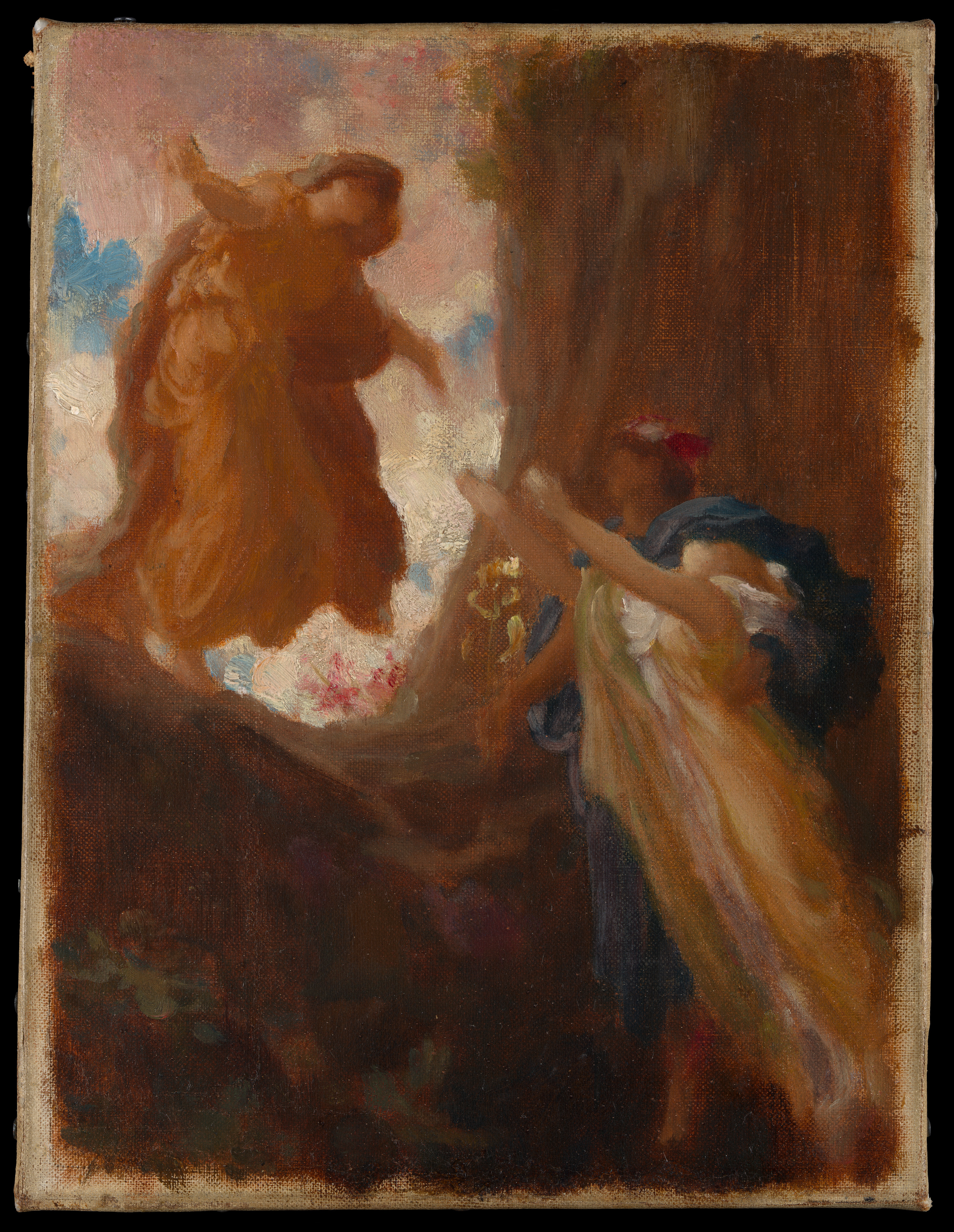
Achilles withdraws from battle. The Greeks suffer. His companion Patroclus begs to be allowed to fight in Achilles's armor. Achilles agrees, with conditions: drive the Trojans from the ships, then return. Patroclus goes further. Apollo strikes him. Hector kills him. Achilles's armor is stripped from the body.
The death of Patroclus is the Iliad's structural center. Everything before it is preparation; everything after is consequence. Achilles, who withdrew from battle over a point of honor, now has something taken from him that honor cannot restore. Patroclus is dead. The grief that follows is not heroic posturing. It is the dissolution of the heroic self. Achilles rolls in the dust, tears his hair, screams. His mother Thetis hears him from the bottom of the sea and rises to mourn with him. The language is the language of funeral ritual. Achilles mourns Patroclus as though he himself has died.
He has. The Achilles who returns to battle in Book XIX, wearing new armor forged by Hephaestus, is not the same man who withdrew in Book I. The first Achilles knew anger. The second Achilles knows grief, and grief has cracked the heroic consciousness open into something it was not designed to contain. He fights without mercy. He fills the river Scamander with corpses until the river-god rises against him. He kills Hector and drags the body behind his chariot. The rage is still operative, but it now carries a freight of loss that makes it unrecognizable to itself.
V. The Enemy as Father
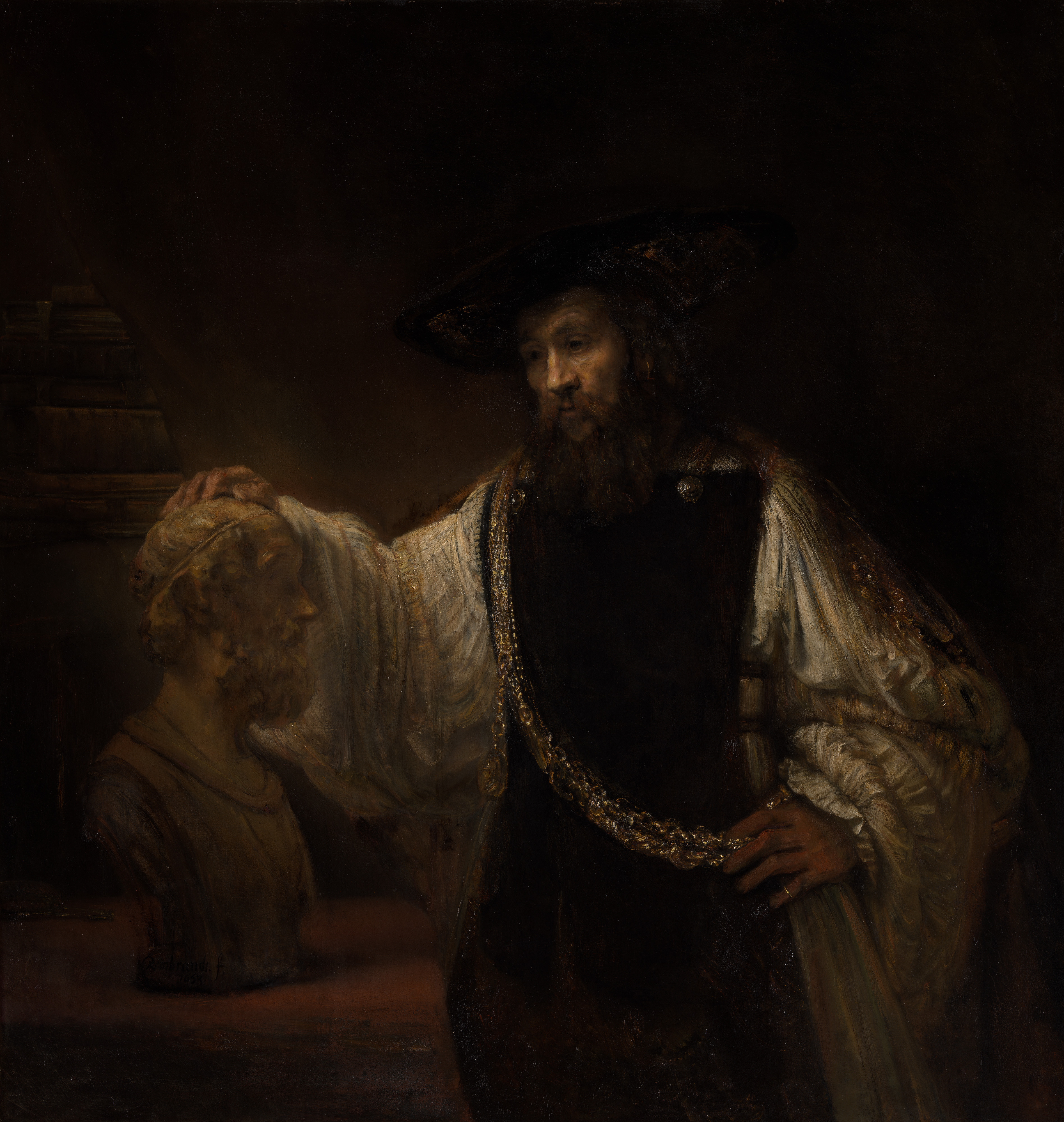
Then, in Book XXIV, the heroic code encounters something it cannot contain. Priam, king of Troy, father of Hector, enters Achilles's tent alone at night to beg for the return of his son's body. He kneels. He takes Achilles's hands. He asks Achilles to remember his own father, who will never see his son come home.
Achilles looks at Priam and weeps. The grief is no longer for Patroclus alone. It has widened to include his own father, Priam, mortality itself and what it takes from everyone who lives. The two men sit together in a shared recognition that the heroic code has no category for. Something older than enmity holds them in the same room, and Achilles sees his own father in Priam's face. The boundary between enemy and kin dissolves, and something older than the war, older than honor, makes itself felt.
This is the Iliad's contribution to the project. Not initiation but the cracking open that makes initiation possible. Achilles does not descend to the underworld. He does not receive a vision. But his encounter with Priam produces a metanoia (CON-0020) in the original sense: a change of nous, a reorientation of the faculty of perception. For one scene, the greatest warrior in the Greek army perceives his mortal enemy as a human being, and that perception costs him everything the heroic code promised. The Iliad ends not with victory but with funeral rites: Hector's body washed, wrapped, and burned on a pyre while the Trojans mourn. The poem that began with rage closes with tenderness. Whatever consciousness emerges on the other side of that arc, the Odyssey will have to describe.