I. The Man Who Was Not Dionysius
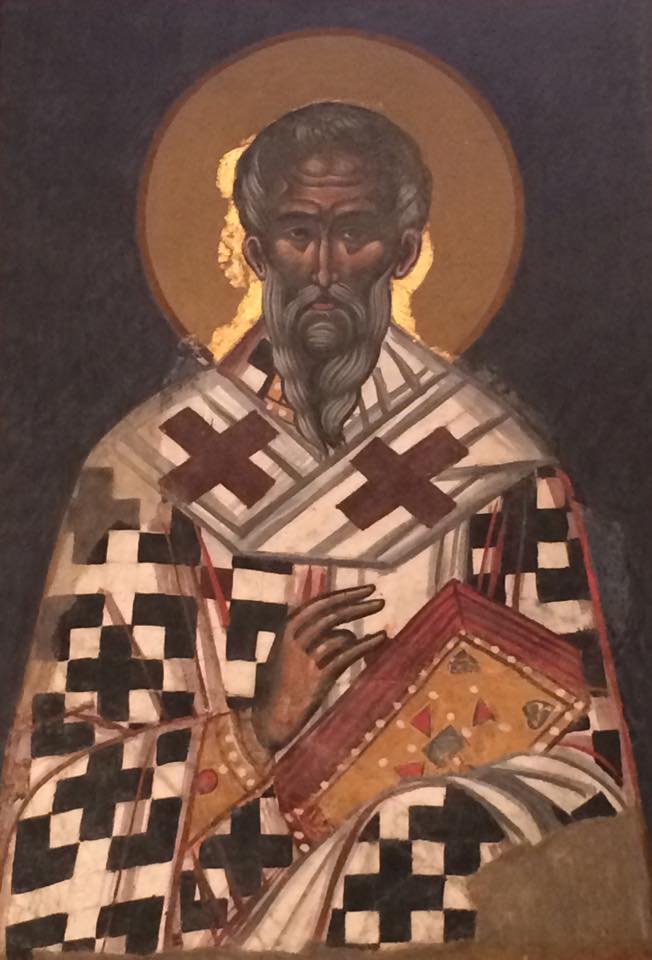
Sometime around the year 500, a Christian writer in the Greek-speaking East finished a body of theological treatises and signed them with a name that was not his. He called himself Dionysius the Areopagite: the Athenian whom Paul converted on the Areopagus, named in a single verse of the Book of Acts. The claim was enormous. It placed the author in the first generation of the Church, a conversation's distance from the apostle. Everything he wrote borrowed the authority of the apostolic age.
The claim was also false. The texts quote Proclus, the Athenian Neoplatonist, who died in 485. They are first cited by name in 532. The author wrote four or five centuries after the man whose name he took, and his real identity has never been recovered. The evidence points to a Syrian monk, trained in late Neoplatonist philosophy, writing in the generation after Proclus.
This project does not treat the pseudonym as a simple fraud, because in the conventions of late antiquity it was closer to a claim of lineage than a lie. But the effect is what matters. Under a borrowed apostolic name, a body of Neoplatonic mysticism crossed the line into Christian orthodoxy and was received as a near-contemporary of scripture. The forgery was the vehicle. Without it, the ideas might never have been let through the door.
II. The Christianization of the One
What the borrowed name carried was a synthesis. Proclus had inherited from Plotinus a single structural intuition: all things proceed from a source beyond being, the One, and return to it. Procession and return is the rhythm of the whole cosmos, and the levels between the One and the material world are the rungs by which the soul climbs back.
Pseudo-Dionysius takes that structure intact and renames its source. The One becomes the Christian God, the "super-essential" reality beyond being. The mediating Neoplatonic levels become the angelic orders. The return becomes the soul's ascent through the sacramental life of the Church. Nothing in the architecture is discarded; it is rewritten in Christian vocabulary and signed with an apostle's friend's name.
The timing is the part the project will not let pass unnoticed. In 529 the emperor Justinian closed the Neoplatonic Academy at Athens, the last institutional home of pagan philosophy. The Dionysian corpus was written within a few decades of that closing and first cited within three years of it. One door shuts. Another opens, under a false name, inside the institution that had replaced the schools. The metaphysics of the philosophical mysteries did not die in 529. It changed clothes.
III. The Brilliant Darkness
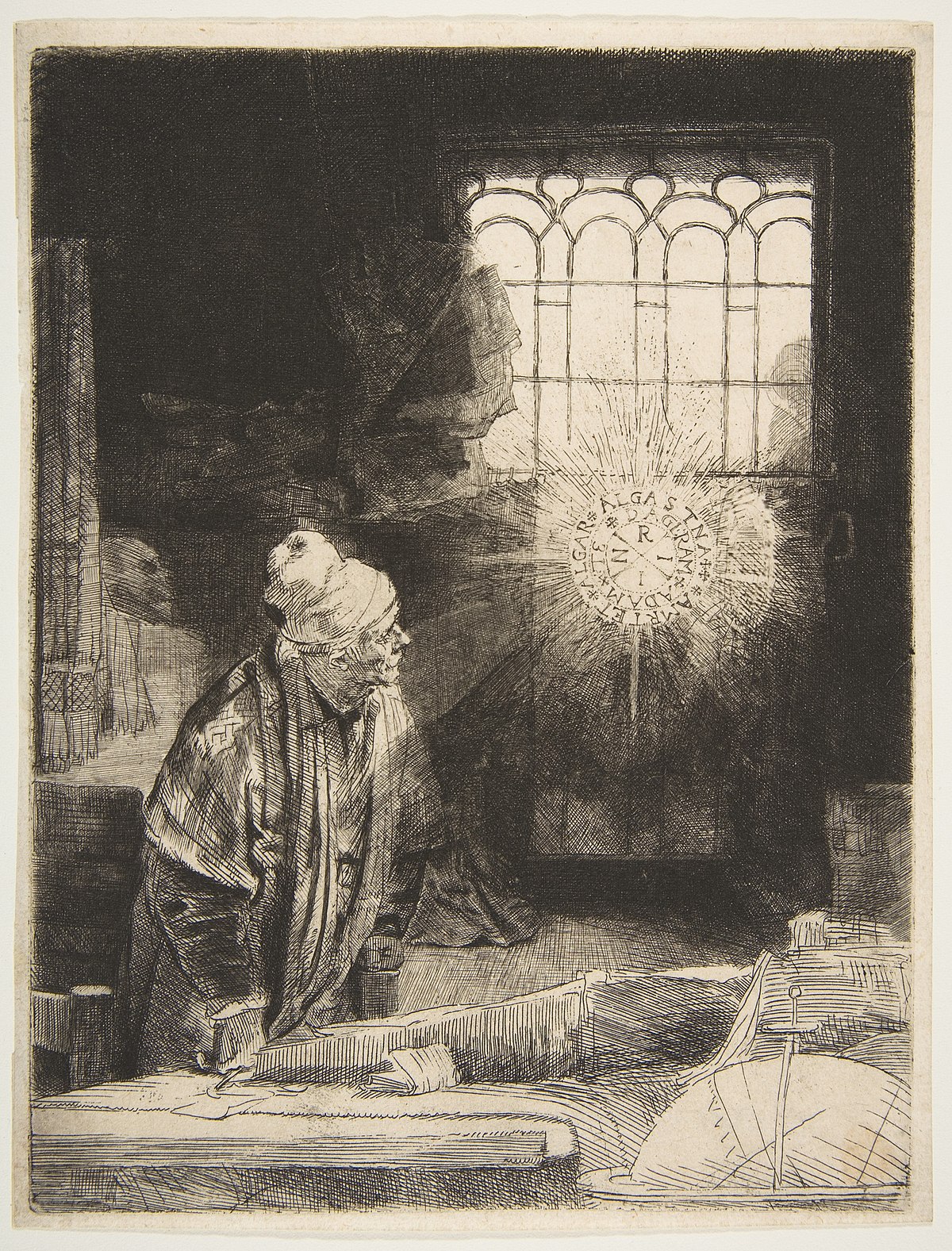
The shortest treatise in the corpus is the most consequential. The Mystical Theology runs to five brief chapters, and it is the most concentrated statement of apophatic theology (CON-0007) in the Western tradition.
The apophatic method, the via negativa, proceeds by negation: it knows the divine by articulating what the divine is not. But it is not a counsel of silence. It is a precise dialectical movement. One affirms the divine names scripture gives to God, then denies them because no finite concept can contain what is infinite, then denies the denial itself, transcending even the structure of affirmation and negation. God, in the formula Pseudo-Dionysius arrives at, is beyond being and beyond knowing, beyond assertion and beyond denial.
The endpoint of this movement is not ignorance. Pseudo-Dionysius calls it a darkness, and then refuses to let the word mean what it ordinarily means. It is a "brilliant darkness," a darkness more luminous than any light, an unknowing that is the fullest possible knowledge precisely because it has stopped mistaking its concepts for their object. The soul that reaches it has not failed to find God. It has found the only thing about God that finite cognition can truthfully hold: that God exceeds it.
This is the heart of why the book matters to the project. The mystery traditions are, by definition, traditions of what cannot be said directly. The apophatic gives that silence a rigorous form. It is the discipline that keeps the mystery in the mysteries.
IV. The Ladder of Light
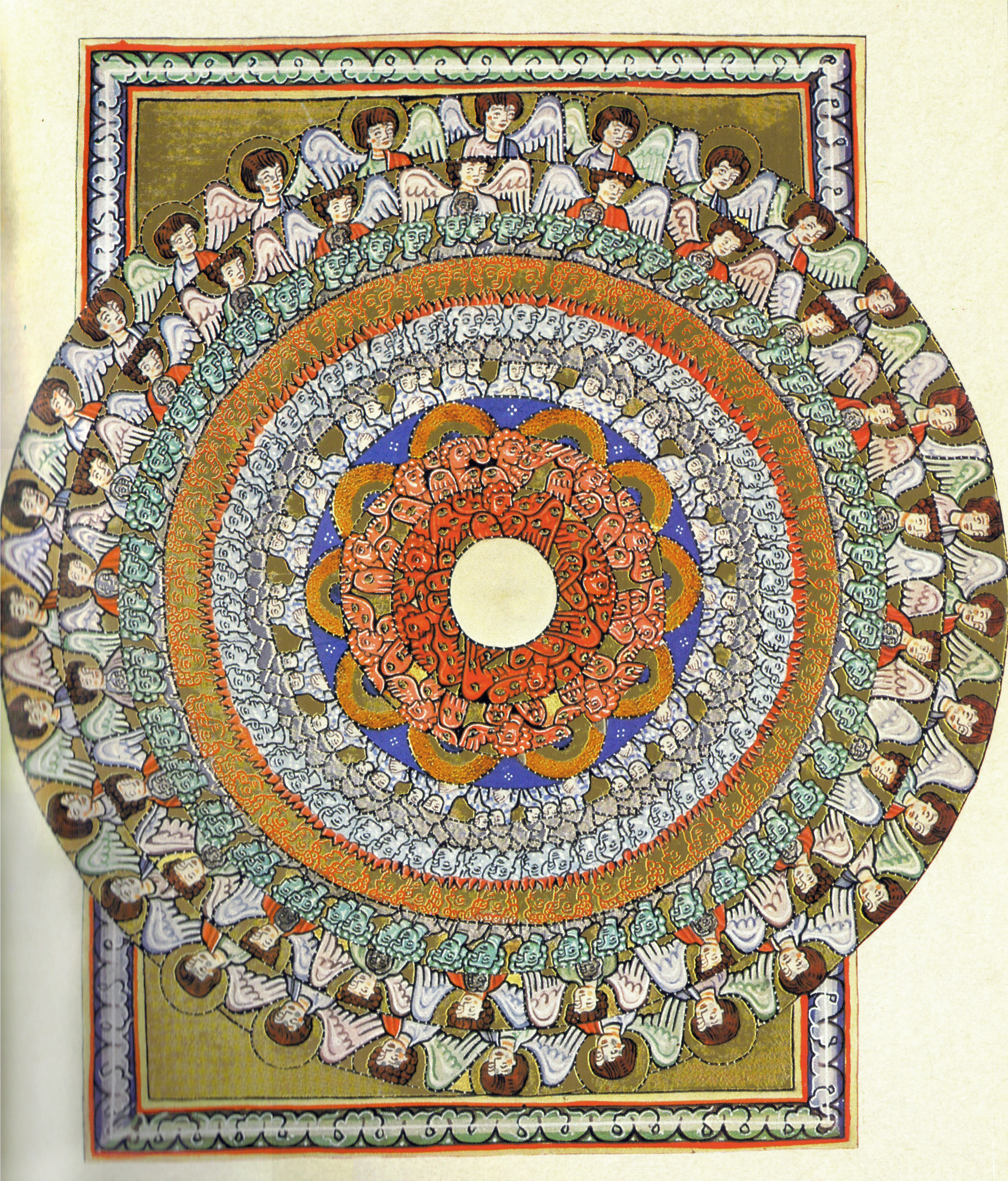
The word hierarchy did not exist before Pseudo-Dionysius. He coined it, and the two treatises built around it, The Celestial Hierarchy and The Ecclesiastical Hierarchy, supply the architecture that the apophatic ascent climbs.
The celestial hierarchy is the order of the angels, arranged in nine ranks in three triads, from the Seraphim nearest the divine light down to the Angels nearest the human world. The ranks are not a bureaucracy. Each one receives the divine light from above and transmits it downward, so that the whole structure is a single graduated current of illumination. The ecclesiastical hierarchy is its earthly image: sacraments, clergy, and liturgical order, each rank again receiving and passing on.
For Pseudo-Dionysius the liturgy is not a set of symbols pointing at a sacred reality elsewhere. It participates in that reality and conveys it. The sacrament effects what it signifies. This is theurgy in Christian dress, the same conviction that animated Iamblichus and the pagan ritualists: rightly ordered ritual is not a representation of divine action but a channel for it. The hierarchy is initiatory architecture, a structured passage rank by rank from the human world toward the brilliant darkness, built so that no one climbs it alone.
V. The Underground Channel
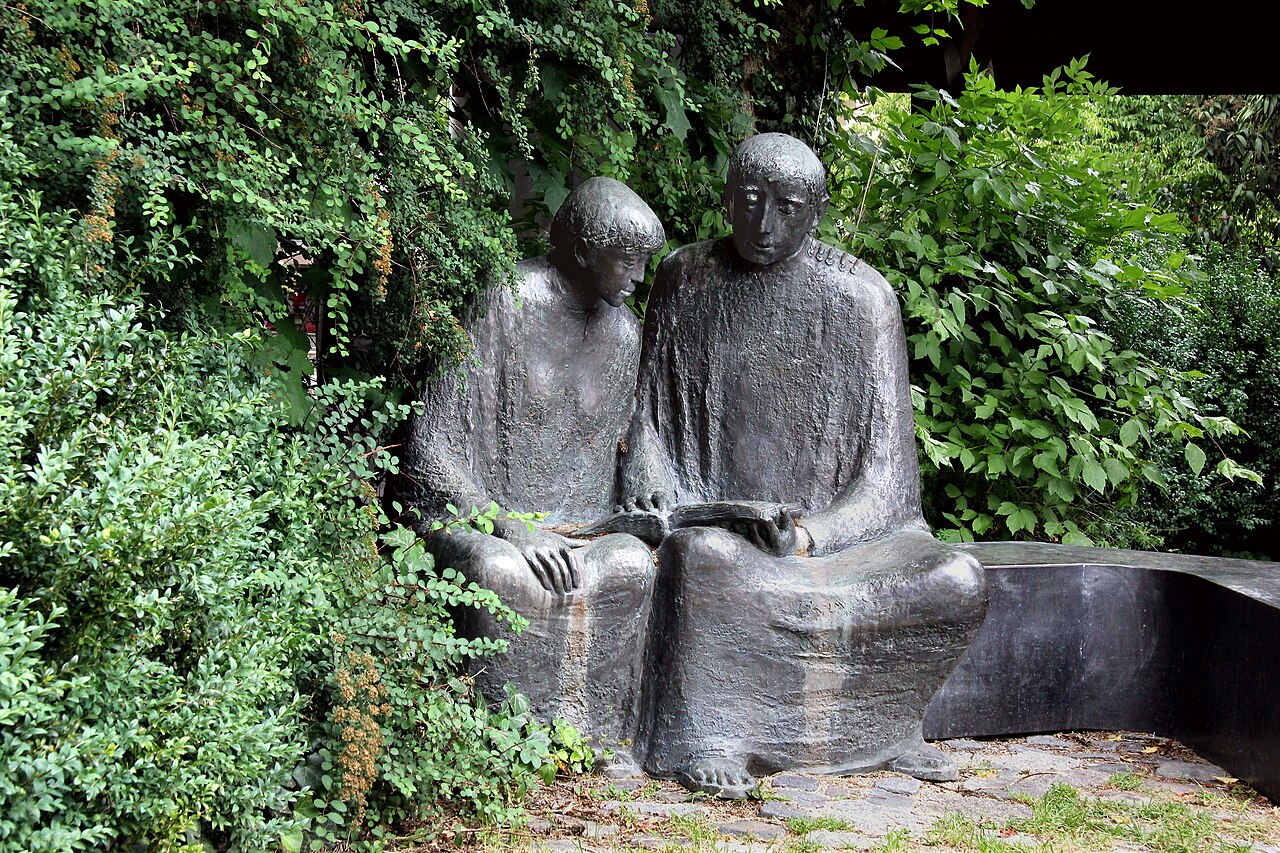
The Dionysian corpus could have remained a curiosity of the Greek East. Instead it became one of the master texts of the Latin West, and the route it traveled is the project's underground stream made visible.
In the ninth century John Scottus Eriugena translated the corpus into Latin, and from that point the borrowed name did its work for seven hundred years. Thomas Aquinas wrote a commentary on The Divine Names. The anonymous English author of The Cloud of Unknowing turned the apophatic ascent into a practical method of prayer, instructing the contemplative to press all thought beneath a cloud of forgetting. Meister Eckhart pushed the negative theology to its limit, preaching a Godhead beyond even the names of the Trinity, a desert and a silence; he was tried for heresy, which is the measure of how far the apophatic could be taken before orthodoxy flinched.
This is the line the project follows into its episodes on Christian deification and on the Rhineland mystics. The apophatic tradition functioned as a safe harbor: a form within which initiatory and mystical experience could persist inside the institutional Church without being condemned, because it claimed only that God could not be possessed in concepts. The deification the Eastern Church calls theosis, the soul's ascent into union with God, has its Western theological grammar here, in a corpus written by a man whose name we do not know.
VI. What the Forgery Unlocks
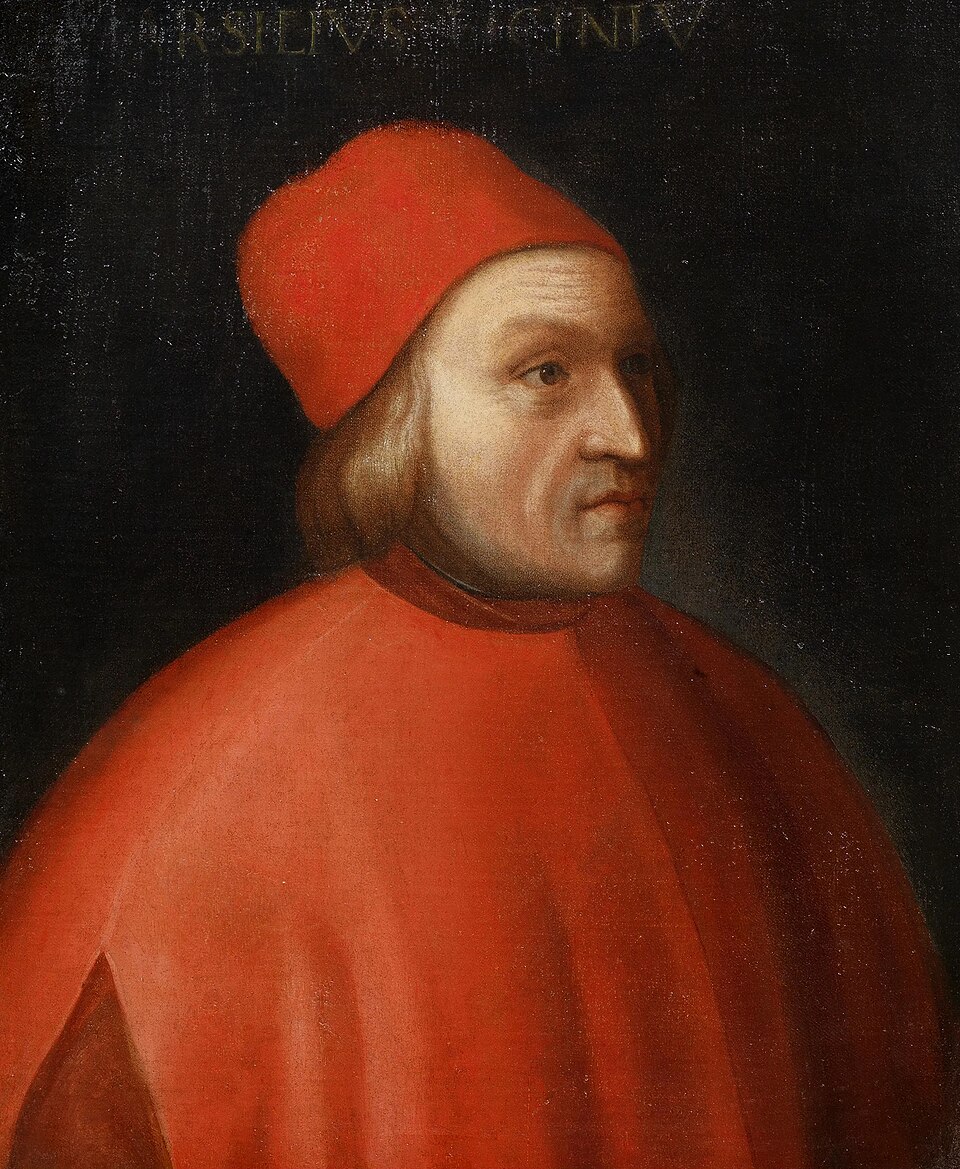
In the fifteenth century the humanist Lorenzo Valla, the same scholar who exposed the Donation of Constantine, noticed that the Areopagite's texts could not be what they claimed. Others followed. By the nineteenth century the prefix "Pseudo-" was permanent, and the apostolic authority that had carried the corpus for a millennium was gone.
The unmasking did not destroy the books. It freed them. Once the false authority fell away, the ideas could be judged on their merits rather than on a borrowed name. They survived the judgment. That is the first thing the corpus unlocks for the listener: a worked example of how the mystery-school inheritance traveled into Christianity not by open transmission but by disguise, and how the disguise, once seen through, left the substance standing.
The second thing is the brilliant darkness itself. The apophatic insistence that the divine exceeds every concept is the project's permanent corrective. A tradition that speaks too confidently about the sacred has mistaken its map for the territory. Pseudo-Dionysius, writing under a name that was not his, left the Western tradition its most precise instrument for telling the difference. The darkness at the end of his ascent is not the failure of theology. It is theology being honest about where it ends.