I. What the Word Means
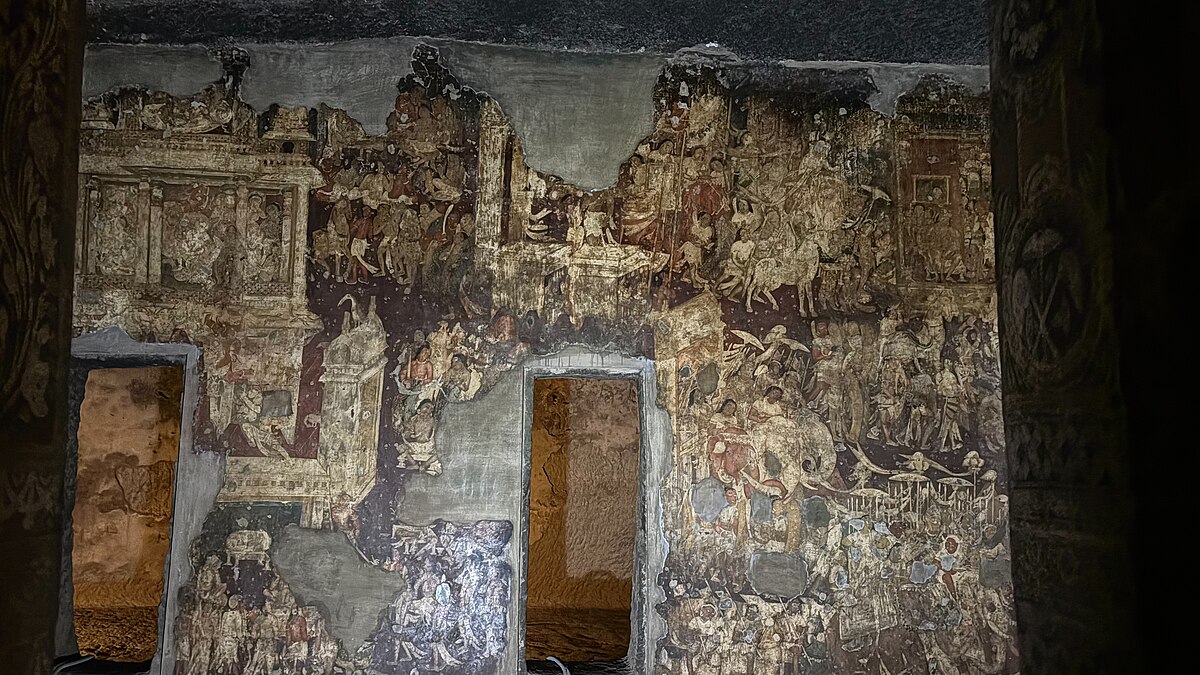
Upanishad means "sitting near" or "sitting at the foot of." The word names the pedagogical form before it names the content: these are teachings transmitted from teacher to student in a relationship of proximity, trust, and sustained attention. The earliest Upanishads (the Brihadaranyaka and Chandogya, c. 800-600 BCE) emerge from the Vedic ritual tradition, but they represent a decisive turn within it. Where the earlier Vedic literature focused on the correct performance of sacrifice, the Upanishads ask what the sacrifice means. What is the fire? What is the offering? Who is the one who offers? The answers dissolve the ritual into its metaphysical ground.
Easwaran's translation presents the principal Upanishads (eleven texts from the Isha to the Shvetashvatara) with extensive introductions that situate each text within a contemplative practice. His translations are clear, devotional, and sometimes too smooth. Where the original Sanskrit is gnomic and compressed, Easwaran opens it up for the reader. This is useful. The project's listener needs access to the Upanishadic teaching, and Easwaran provides the most welcoming entry point in English. For scholarly precision, the project will supplement with Olivelle and Roebuck where needed.
II. Atman Is Brahman
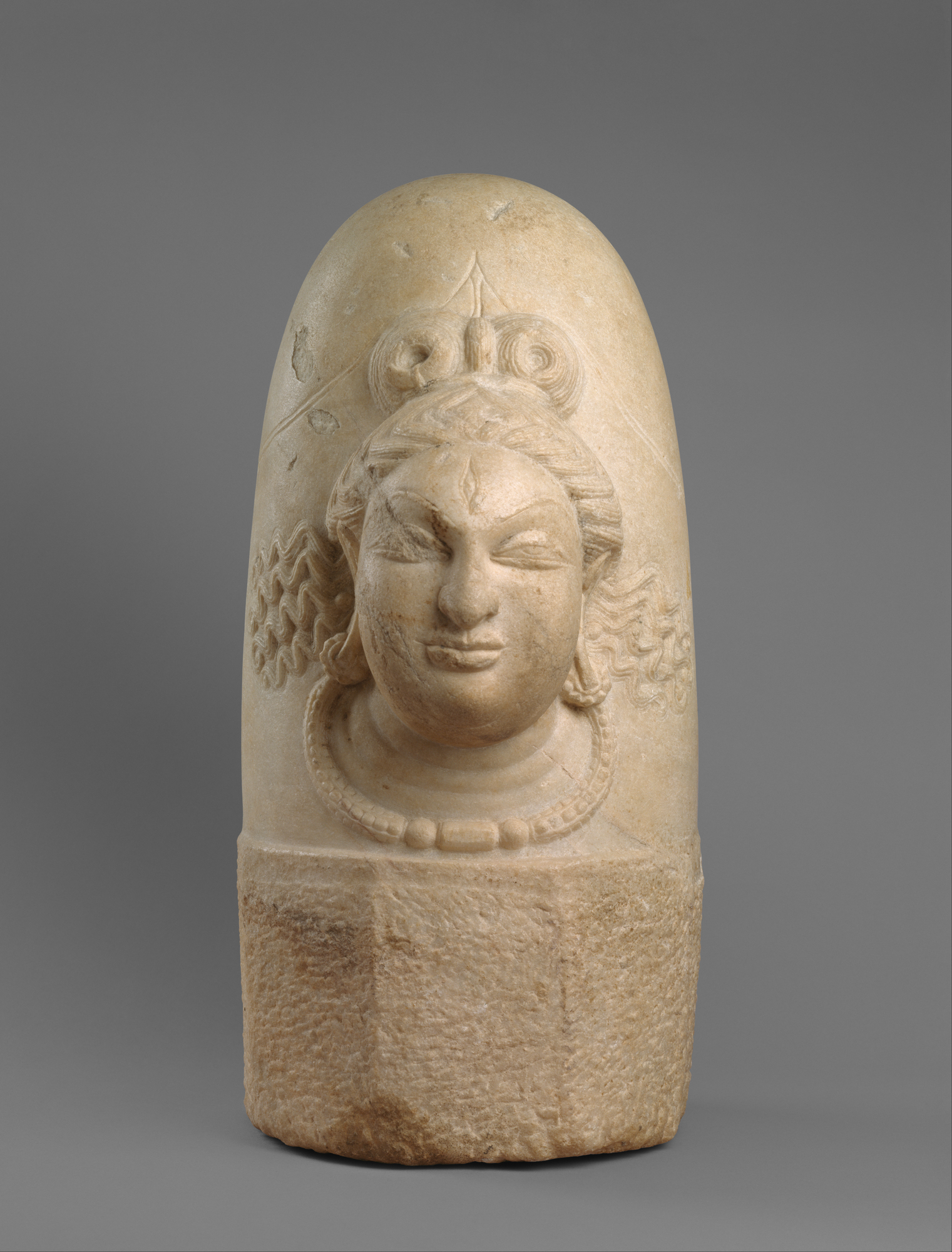
The Upanishads' central teaching can be stated in four words: tat tvam asi ("that thou art"), the mahavakya (great saying) of the Chandogya Upanishad. The individual self (atman) is identical with the ground of all reality (Brahman). This is not a claim about resemblance or analogy. It is an identity claim: the deepest level of your being and the deepest level of the cosmos are the same thing, experienced from two directions.
The Upanishadic method for reaching this recognition is not argumentation but progressive dissolution (CON-0050). The Mandukya Upanishad, the shortest and arguably the most concentrated, analyzes consciousness into four states: waking, dreaming, deep sleep, and turiya (the "fourth"), which underlies and pervades the other three. Waking consciousness knows objects. Dreaming consciousness knows its own projections. Deep sleep dissolves both subject and object into an undifferentiated darkness. Turiya is none of these and all of these: the pure awareness that is present in every state but identified with none of them.
This analysis is not philosophical abstraction. It is a map for practice. The meditator learns to attend to the awareness that persists through waking, dreaming, and sleep, that is not produced by any of these states and so does not perish when they change. To recognize this awareness as one's true nature is liberation (moksha). To miss it is to remain identified with the contents of consciousness (thoughts, perceptions, emotions, the body) rather than with consciousness itself.
III. Nachiketas and the Lord of Death
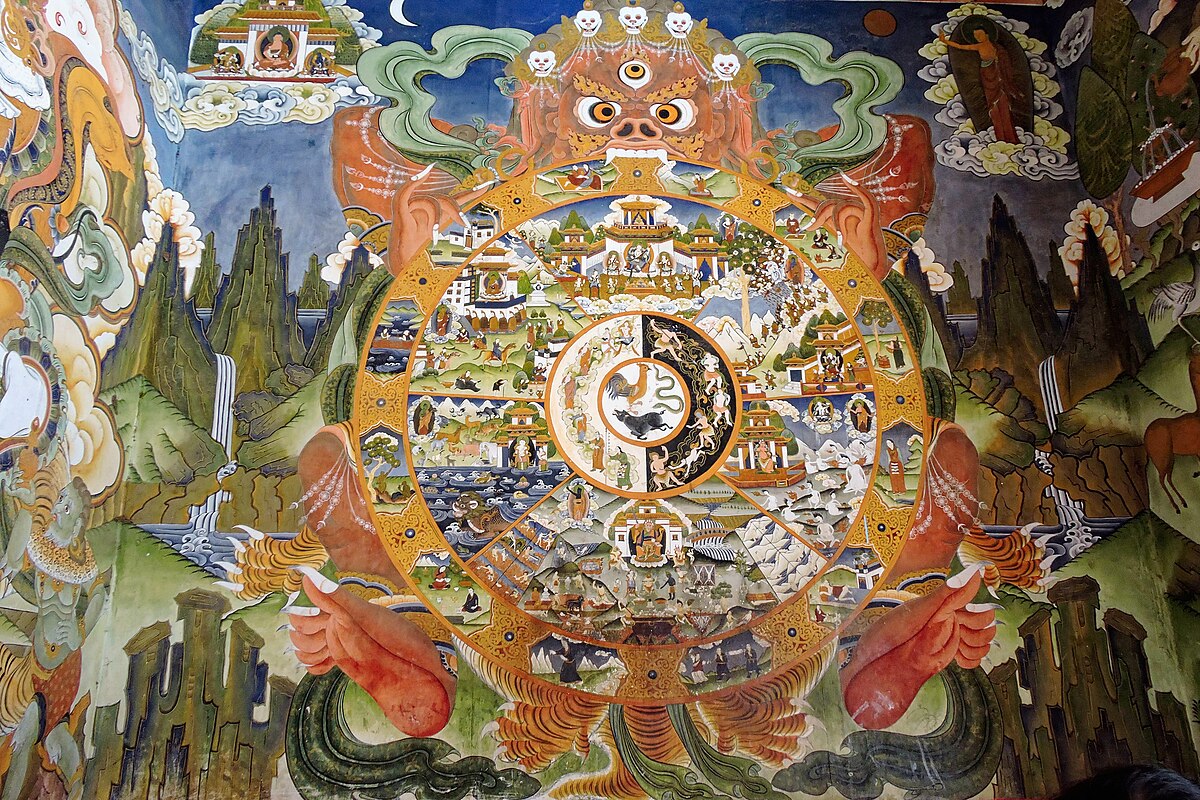
The Katha Upanishad contains the Upanishadic tradition's most striking narrative, and the one most relevant to the project's cross-traditional analysis. Nachiketas, a young Brahmin, is sent to the house of Death (Yama) by his father's careless curse. He waits three days at Death's door. When Yama returns, he offers Nachiketas three boons as compensation for the discourtesy.
Nachiketas uses his third boon to ask: "What happens after death? Some say the self exists after death, others say it does not. Teach me." Yama resists. He offers wealth, long life, sovereignty, pleasures of every kind. Nachiketas refuses everything. He wants only the teaching.
Yama's instruction is the core of the Katha Upanishad: the Self (atman) is beyond death because it was never born. It is not the body, not the senses, not the mind. It is the knower behind all knowing, the witness of all experience, and it cannot be reached by study, intellect, or much learning. "By the one who longs for it is it known."
The structure is katabasis. Nachiketas descends to the realm of the dead and returns with knowledge that transforms the knower (CON-0020). The parallel to the Eleusinian pattern is exact in structure: descent, encounter with death, the refusal of lesser gifts, and the receipt of a supreme teaching that dissolves the fear of death. The content differs. The Eleusinian initiate saw something (the epopteia). Nachiketas was taught something (the nature of the Self). But the trajectory from the profane self through death to transformed consciousness is the same.
IV. The Means of Knowing
The Upanishads insist that the knowledge they teach cannot be acquired through the ordinary means of knowing. "The Self is not known through study of the scriptures, nor through subtlety of the intellect, nor through much learning." This is the Upanishadic version of the initiatory paradox: the thing you need to know can only be known by becoming something other than what you currently are.
The means the Upanishads prescribe are specific: meditation, ethical discipline, the guidance of a teacher (guru), and the sustained practice of turning attention inward. The Taittiriya Upanishad describes five "sheaths" (koshas) of the self, from the gross body to the bliss body, each one subtler than the last. The practice is to see through each sheath to the one beneath it, until the meditator reaches the awareness that is not a sheath but the ground of all of them.
This participatory epistemology (CON-0004) is the Upanishadic contribution the project most needs. The Upanishads do not treat knowledge of ultimate reality as information to be transmitted. They treat it as a transformation of the knower. You cannot know Brahman the way you know a fact, because Brahman is not an object you can stand apart from and examine. To know Brahman is to realize that you are Brahman. The knowing and the being are the same act.
This is identical in structure to what the project traces in the Western traditions: the distinction between gnosis and episteme, between the Hermetic knowledge that transforms and the philosophical knowledge that describes. Plotinus reaches the same conclusion by a different route: the One cannot be known as an object because the One is the condition of all objectivity. The Upanishadic tat tvam asi and the Plotinian "flight of the alone to the Alone" are two expressions of the same insight, developed independently, in different conceptual vocabularies, arriving at the same participatory epistemology.
V. Six Episodes Begin Here
The Upanishads gate more episodes than any other single text in the project's source base. Six episodes across the Vedic Fire and Convergence series depend on this material: the fire altar, the Upanishadic revolution, the dreaming body, Shankara's Advaita Vedanta, the algorithm and the atman, and the Plotinus-Brahmin convergence.
This density reflects the text's centrality. The Upanishads are to the Eastern Traditions track what the Eleusinian material is to the Mystery Schools track: the origin point, the teaching to which everything else refers. The Gita presupposes the Upanishads. The Buddhist critique of atman is intelligible only against the Upanishadic claim it rejects. Shankara's Advaita Vedanta is the systematic elaboration of what the Upanishads state in compressed, gnomic form.
For the listener, the Upanishads open a territory the project has been circling from the Western side. The claim that consciousness is primary, that the ground of being is not matter but awareness, that the transformed consciousness knows reality in a way the untransformed consciousness cannot: these are the claims the project traces through Eleusis, through the Neoplatonists, through the Hermetic tradition. The Upanishads make the same claims with a directness and a systematic clarity that has no equivalent in the West until Plotinus, and they do so seven centuries earlier. The conversation the project stages between these traditions begins here.